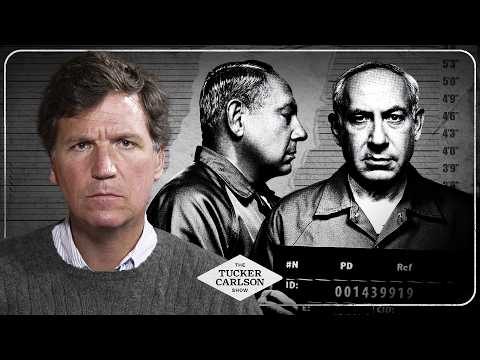
In this significant episode, Tucker Carlson sits down with Masoud Pezeshkian, the President of Iran, for a candid conversation that offers viewers rare direct access to Iranian leadership. The interview represents an unusual opportunity for American audiences to hear directly from Iran's highest office without intermediaries or filtered interpretation.
The discussion centers on the fraught relationship between the United States and Iran, examining the historical grievances and current tensions that have defined their interactions for decades. Pezeshkian addresses American concerns about Iran's nuclear program, regional influence, and alleged support for various militant organizations. The conversation also explores Iran's perspective on the sanctions regime imposed by the United States and their economic impact on ordinary Iranian citizens.
Throughout the interview, Carlson probes into Iran's foreign policy objectives in the Middle East, including its relationships with countries like Syria, Lebanon, and Iraq. Pezeshkian presents Iran's strategic rationale for its regional posture, framing it as defensive rather than aggressive. The discussion touches on the role of proxy forces and non-state actors that Iran allegedly supports, with the Iranian president offering explanations for these policies within Iran's security framework.
The conversation also delves into cultural and ideological differences between American and Iranian governance, including questions about religious authority in politics, individual freedoms, and governmental structure. Pezeshkian explains Iran's Islamic Republic system and how it balances religious principles with modern state functions. Carlson challenges various positions while maintaining a respectful tone aimed at understanding rather than confrontation.
An important segment covers the possibility of renewed diplomacy and potential areas of mutual interest. Pezeshkian discusses Iran's openness to dialogue if conditions are met and expresses desire for normalized relations based on mutual respect and non-interference. The interview examines what obstacles prevent such rapprochement and whether there exists any common ground between Washington and Tehran.
The episode provides valuable context about how the Iranian government views American foreign policy, military presence in the region, and the impact of sanctions on Iran's economy and population. Pezeshkian articulates Iranian concerns about American intentions in the Middle East and describes how Iran perceives threats to its sovereignty and security.
This interview serves as essential viewing for anyone seeking to understand the Iranian perspective on international affairs and American policy in the Middle East. By presenting the Iranian president's viewpoint directly to American audiences, the episode challenges viewers to consider geopolitical conflicts from multiple angles and recognize the complexity of international relations beyond typical media narratives.