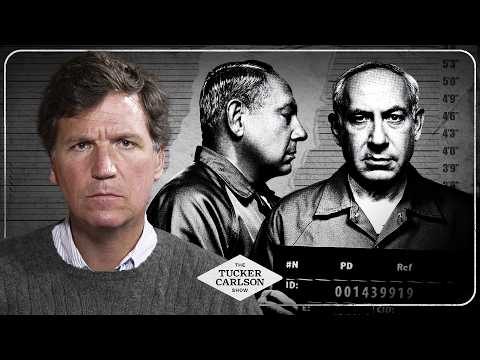
This episode examines the narrative surrounding Thomas Crooks and the alleged assassination attempt on Donald Trump during the summer. The central focus is on a significant discrepancy between what the FBI publicly stated and what evidence actually shows. According to the FBI's initial claims, Crooks had no meaningful online presence or digital footprint, suggesting he operated entirely under the radar. However, the host presents evidence directly contradicting this narrative, demonstrating that Crooks did indeed have identifiable social media posts and online activity. This contradiction raises serious questions about the accuracy of federal law enforcement statements. The episode investigates why the FBI would make false claims about Crooks' online presence when the truth was apparently discoverable. If the FBI had access to the same information about Crooks' social media activity that the host obtained, why would they publicly state the opposite? The implications suggest either gross incompetence in the FBI's investigation or deliberate misrepresentation of facts to the American public. The host explores various theories about motivation for such falsehoods, including the possibility of protecting certain narratives or individuals connected to the incident. The episode touches on the broader issue of institutional credibility and how public trust is eroded when official agencies provide inaccurate information. References to figures like Kash Patel, Dan Bongino, and Pam Bondi suggest potential connections to political leadership that may be relevant to understanding the case. The investigation raises concerns about transparency in major federal investigations and the public's right to accurate information about significant security incidents. The episode represents an attempt to fill gaps in the official narrative by presenting contradictory evidence and asking difficult questions about why discrepancies exist. It highlights the importance of independent verification and the dangers of accepting government statements at face value without scrutiny. The work of examining publicly available information that contradicts official narratives underscores how critical thinking and evidence-based inquiry remain essential tools for understanding complex events.