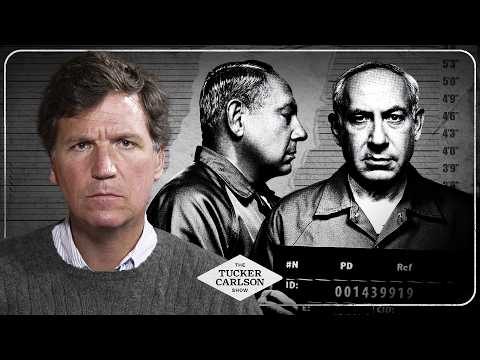
This episode features Shahed Ghoreishi discussing his alleged firing from the State Department after refusing to promote Israeli talking points in his role as a press officer. Ghoreishi claims that figures connected to Mark Levin were involved in his termination, raising questions about outside influence on US foreign policy. The conversation explores broader concerns about whether the State Department maintains independent positions on Middle East issues or simply echoes Israeli government positions.
The episode examines the influence of several key figures over State Department operations and foreign policy direction. David Milstein's role receives particular scrutiny, with discussion of how he allegedly maintains significant power over departmental decisions. Additionally, the episode covers Mike Johnson's controversial visits to what are termed Judea and Samaria, examining whether such visits signal particular policy alignments.
A significant portion of the discussion focuses on Mike Huckabee's role in American foreign policy and the damage Ghoreishi believes he has caused through his policy positions and influence. The episode questions whether anyone at the State Department genuinely prioritizes America First principles when making foreign policy decisions, suggesting that other interests may take precedence.
The conversation also delves into specific planning for Gaza and the West Bank, questioning official narratives about humanitarian concerns and territorial management. Ghoreishi provides context about casualty figures in Gaza and raises concerns about where Palestinian refugees are intended to be resettled. The episode suggests there may be undisclosed plans for these territories that differ from public statements.
Throughout the discussion, Ghoreishi emphasizes that he was never given a clear explanation for his firing, despite his questions to supervisors about the reasons. The episode presents this lack of transparency as evidence of potential impropriety and suggests that official explanations would not align with the actual reasons for his termination. The broader context suggests systemic issues within the State Department regarding political independence and the influence of outside actors on policy decisions.