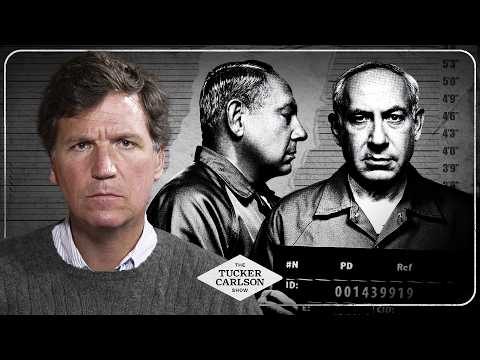
This episode features Tucker Carlson interviewing Vivek Ramaswamy and Robert F. Kennedy Jr. at a live tour event in Anaheim, California. The conversation centers on what the speakers characterize as serious problems facing America, including regulatory capture, government censorship, and what they describe as the weaponization of federal institutions.
Tucker opens with remarks about California's decline and expresses optimism about reform based on conversations with leaders like Kennedy and Ramaswamy. The discussion then moves into Vivek's outline of what he calls ten fundamental truths about American governance and politics.
A significant portion of the conversation focuses on allegations that the Biden administration has selectively prosecuted Trump supporters while allegedly protecting allies. The speakers discuss concerns about the nature of indictments and what they characterize as politically motivated legal actions. They also address the 2024 election and characterizations of Vice President Kamala Harris's role in the administration.
RFK Jr. and Vivek discuss the three core issues that united them with former President Trump: ending America's involvement in forever wars, stopping government censorship of citizens and independent voices, and protecting children's health through various policy changes. RFK Jr. details his experience with Biden administration censorship, describing efforts to suppress his speech and platform him as a threat.
The conversation includes discussion of international incidents, including the arrest of Pavel Durov, founder of Telegram, which the speakers frame within broader concerns about government control of information. They also discuss the state of the Republican Party, suggesting it has fundamentally changed or inverted from its historical positions.
RFK Jr. emphasizes his lifelong commitment to children's health issues, describing his work investigating links between vaccines and chronic illness, and his opposition to what he characterizes as corporate corruption of regulatory agencies. The speakers express frustration with what they see as a revolving door between industry and government regulators.
Throughout the episode, the speakers emphasize themes of hope and the possibility of reform through outsider political movements. They highlight the personal costs of speaking out against institutional narratives while maintaining that truth-telling remains essential. The episode concludes with emphasis on the importance of these political and health issues for the future of the country.