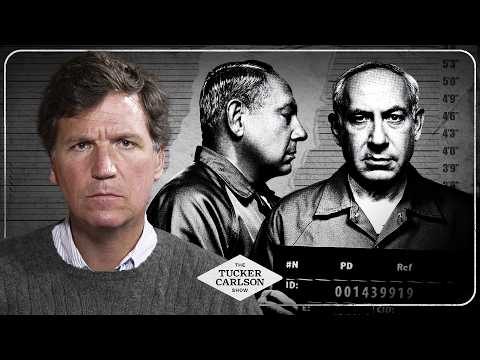
This Tucker Carlson Live Tour episode features Tulsi Gabbard discussing her controversial political journey and the consequences she has faced for questioning U.S. foreign policy. Gabbard, formerly the vice chair of the Democratic National Committee, has become a vocal critic of American military interventions and endless wars. The episode opens with context about Gabbard's transformation from Democratic insider to political outsider, highlighting how her positions have evolved from within the party establishment to direct opposition to its war agenda.
A significant portion of the conversation centers on Dick Cheney's recent endorsement of Kamala Harris in the presidential race. Carlson and Gabbard analyze this endorsement as emblematic of the bipartisan establishment's commitment to military interventionism and global conflicts. They discuss how figures like Cheney, despite their Republican affiliation, find common cause with Democratic establishment figures when it comes to supporting continued military engagements and wars abroad.
Gabbard details her experience being placed on what she describes as Biden's domestic terror watchlist. She recounts incidents of being followed by secret police at airports and other locations, framing these experiences as political retaliation for her anti-war positions and public criticism of administration policies. She contextualizes this within a broader pattern of government weaponization against political opponents and those who challenge official narratives.
The discussion extends to the Department of Justice and its use as a political tool to target perceived enemies of the current administration. Gabbard and Carlson examine how law enforcement institutions have allegedly been corrupted to serve partisan political purposes rather than their intended function of impartial justice.
Another significant topic is Hillary Clinton's role in Democratic party politics and foreign policy. Gabbard offers insights into Clinton's influence and the impact her positions have had on Democratic party direction, particularly regarding military interventions and geopolitical strategies.
Toward the end of the episode, the conversation shifts to a discussion of religious revival in the United States. The hosts explore how Americans are increasingly turning to religious and spiritual frameworks as they lose faith in governmental institutions and traditional power structures. This theme serves as a counterpoint to the earlier discussion of institutional decay and the loss of trust in government, suggesting that civil society and faith-based communities may fill the vacuum left by declining institutional legitimacy.
Throughout the episode, Gabbard emphasizes the personal costs of standing up to the establishment consensus on foreign policy. She presents herself as someone willing to sacrifice political standing and personal security to speak truth about America's military commitments and their consequences. The episode portrays her as a cautionary tale about what happens when politicians deviate from the establishment position on war and military intervention.