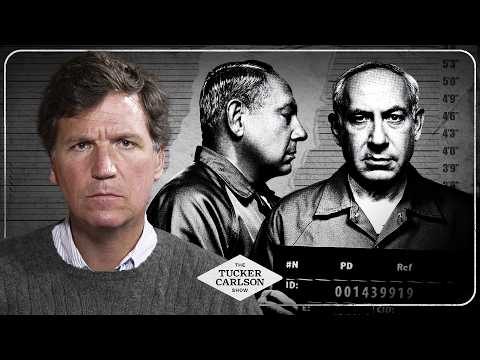
In this solo episode, Tucker Carlson examines recent text message scandals and what he argues they reveal about the political left in America. The episode centers on inflammatory statements allegedly made by Democratic figures, particularly focusing on a Virginia AG candidate whose rhetoric Carlson characterizes as advocating violence against Republicans and their children. Carlson frames these incidents as emblematic of a broader pattern where Democratic leaders and mainstream media outlets either explicitly endorse or implicitly tolerate violent rhetoric from their political allies, creating what he describes as a dangerous double standard in American political discourse. The episode explores how these scandals have been covered and uncovered through leaked communications, analyzing the gap between what prominent Democrats say publicly versus what they express privately. Carlson argues that the mainstream media has largely ignored or downplayed these revelations, suggesting institutional bias in news coverage that protects Democratic figures from the same scrutiny applied to Republican politicians and figures. Steve Bannon joins the discussion to provide additional analysis and commentary on what he sees as the strategic implications of these events. Bannon suggests that these incidents and the response to them reveal deeper truths about leftist political objectives and the willingness of Democratic leadership to tolerate or encourage political violence against their opponents. The conversation explores themes of political tribalism, media bias, and the erosion of civic norms around acceptable political discourse. Both Carlson and Bannon argue that these text message scandals represent a critical moment in understanding the true intentions of the political left, suggesting that violent rhetoric toward Republicans and conservatives reflects genuine extremist impulses rather than isolated incidents. The episode includes discussion of how these developments fit into a larger pattern of what Carlson characterizes as a coordinated leftist agenda. Throughout the conversation, there is emphasis on the safety implications for Republicans and conservatives, as well as broader concerns about the health of democratic institutions when political violence is tolerated or encouraged based on partisan alignment. The episode concludes with speculation about what may come next in the political landscape given these revealed attitudes and the apparent unwillingness of mainstream institutions to hold Democratic figures accountable.