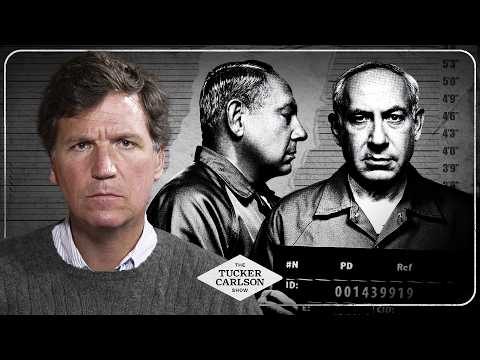
This episode presents a controversial examination of allegations surrounding Pizzagate, Jeffrey Epstein, and what the host characterizes as a demonic global crime network involving elite figures. The discussion begins with a monologue framing the topic before diving into what Pizzagate represents, allegedly connecting online investigations to documented criminal networks. The episode argues that Pizzagate is essentially real, using Epstein's documented crimes as evidence of broader elite corruption.
The conversation explores allegations of ritualistic child abuse perpetrated by wealthy and politically connected individuals, suggesting systematic cover-ups by government agencies including the FBI. According to the discussion, Jeffrey Epstein's operations extended far beyond what has been publicly acknowledged, involving blackmail schemes, financial crimes, and connections to major global events.
The episode questions why certain aspects of Epstein's crimes remain unexplored, particularly his involvement in money laundering operations and connections to the 2008 financial crisis. The hosts argue that powerful figures like Bill Barr and other government officials played roles in concealing evidence and protecting implicated parties from prosecution.
A significant portion addresses Epstein's documented fixation on genetics and genetic research, raising concerns about his potential involvement in eugenics-related projects. The discussion suggests these interests may indicate ideological motivations beyond typical financial crime.
Throughout the episode, fundamental questions are posed about why investigations remain incomplete, why certain documents have been sealed or withheld, and why high-profile individuals connected to Epstein have not faced proportionate legal consequences. The hosts examine available Epstein documents and attempt to piece together a comprehensive picture of criminal networks allegedly operating within elite circles.
The episode concludes by questioning whether accountability will ever be achieved given the power and influence of implicated parties. The discussion frames ongoing corruption as systemic rather than isolated, suggesting that without significant institutional changes, similar abuses will continue. The hosts present their investigation as an attempt to hold power accountable through public awareness and documentation of available evidence.