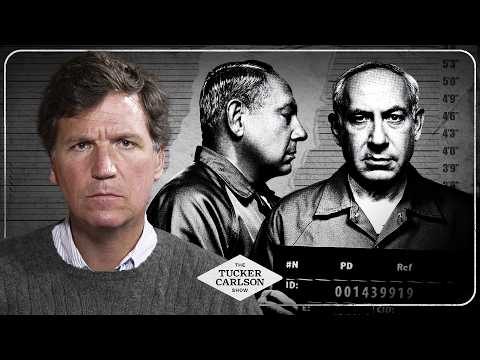
In this solo episode, Tucker Carlson addresses the escalating violence and deaths occurring during ICE protests and related civil unrest, particularly focusing on the chaos spreading through Minneapolis. The episode opens with a monologue setting the stage for the broader implications of ongoing street violence and its connection to immigration enforcement actions. Carlson examines what he characterizes as the actual conditions on the ground in Minneapolis, moving beyond mainstream media narratives to investigate how protests have evolved and what is genuinely happening in affected communities. The discussion then shifts to the role of militia groups and the apparent breakdown of law and order, with Carlson analyzing how organized groups have filled the vacuum created by insufficient law enforcement response. A significant portion of the episode explores what Carlson frames as a coordinated mission to undermine and ultimately destroy Western civilization through sustained civil unrest. He connects various protest movements and suggests there is an ideological agenda behind the chaos rather than merely spontaneous reactions to specific events. Carlson examines the failure of political leadership to effectively respond to the escalating situation, with particular attention to how governors and mayors have handled the crisis. The episode includes questions about whether current government officials have the capability or will to restore order. Finally, Carlson discusses potential solutions and strategies that Donald Trump might implement if returned to office, focusing on how federal authority could be used to address civil disorder and restore stability to American cities. Throughout the episode, themes of immigration policy, sanctuary cities, and their relationship to broader civil unrest are woven together. The overall arc suggests that immigration enforcement actions have triggered disproportionate responses and that there are systemic failures in how American cities are managing public safety and civil order. Carlson's argument connects local Minneapolis events to national trends and international migration patterns as part of a larger narrative about Western societies.