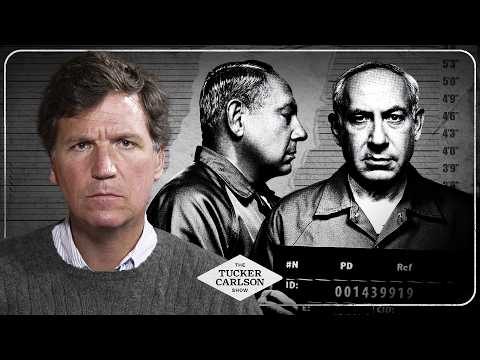
In this solo episode, Tucker Carlson engages in a wide-ranging debate with Piers Morgan covering numerous geopolitical and domestic policy issues. The conversation opens with a fundamental disagreement about Zelensky's leadership in Ukraine. Carlson argues that Zelensky meets the technical definition of a dictator because he suspended elections and consolidated power through wartime measures, despite Morgan's admiration for his leadership during the conflict. This sets the tone for a broader discussion about the nature of governance and power during crisis situations.
The debate extends to America's role in NATO and foreign aid commitments. Carlson questions whether the United States should continue funding various international conflicts and organizations, while Morgan defends certain geopolitical investments. They discuss whether NATO should be abolished, reformed, or maintained in its current structure, reflecting divergent views on American isolationism versus international engagement.
A significant portion of the episode focuses on free speech and hate speech legislation. Morgan and Carlson discuss the differences between UK and American approaches to speech regulation, with Carlson defending the First Amendment's broader protections and Morgan suggesting some limitations on hate speech might be beneficial. This connects to their discussion about gun control, where they debate whether restrictive laws in the UK have been effective and whether similar policies could work in America given the Second Amendment.
The conversation takes darker turns when addressing serious global issues. They discuss the assassination of world leaders, the morality of nuclear warfare, and the persecution of Christians worldwide. Carlson brings up concerns about population reduction efforts by global leaders, while Morgan responds skeptically to such claims.
Throughout the episode, they touch on Morgan's departure from corporate media and whether it has made him happier or more authentic. Morgan reflects on his career changes and his approach to independent commentary. The discussion concludes with their respective assessments of Donald Trump, revealing their different political perspectives while maintaining a respectful debate format.
The episode demonstrates the value of hosting guests with opposing viewpoints. While Carlson and Morgan disagree on numerous policy issues from NATO to free speech, they engage in substantive discussion about complex geopolitical questions rather than devolving into personal attacks. Their debate format allows listeners to consider multiple perspectives on contentious issues.