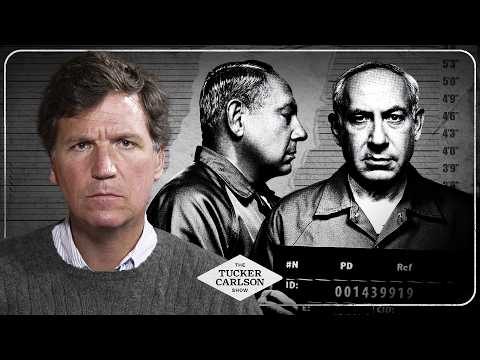
This episode examines the profound implications of ongoing Middle East conflicts on American politics, sovereignty, and the nation's future direction. The discussion centers on how military interventionism and geopolitical entanglements have drained American resources while failing to produce meaningful strategic outcomes. The conversation addresses the immediate risks of nuclear escalation and the broader humanitarian consequences including refugee crises that destabilize entire regions.
A central theme explores whether America's focus on foreign military commitments has contributed to domestic decline across cultural, economic, and social dimensions. The episode questions who benefits from perpetual military engagement and whether American political leadership is truly serving national interests or foreign policy establishments that profit from conflict continuation.
The discussion also examines the targeting and marginalization of anti-war voices within political discourse. Those who question military interventionism face significant pressure from media and establishment institutions, creating a chilling effect on genuine debate about foreign policy alternatives. This raises concerns about whether dissenting viewpoints can survive in a political environment seemingly designed to suppress them.
A particular focus addresses the Middle East specifically, including threats to regional stability, the displacement of populations, and the expansion of conflicts beyond original borders. The episode considers how these conflicts affect American credibility and relationships globally while consuming political capital and resources that could address pressing domestic challenges.
The conversation also touches on the historical context of how American foreign policy evolved and the generational assumptions that have shaped current approaches. Understanding these roots is essential for comprehending why certain policy directions persist despite evidence of their failure or harmful consequences.
Finally, the episode explores what genuine American political change might look like if candidates and leaders authentically prioritized national sovereignty and interests over global military expansion. This requires examining whether existing political structures can accommodate such fundamental shifts or whether entirely new political movements are necessary to challenge established interventionist frameworks. The episode suggests that the American public increasingly questions the costs of perpetual war and seeks leadership willing to articulate a different vision for the nation's future.