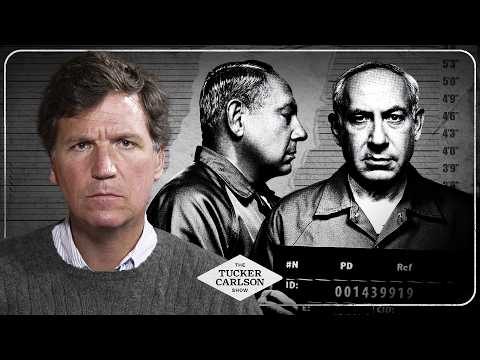
This episode presents a confrontational discussion between Tucker Carlson and Senator Ted Cruz regarding American foreign policy, specifically focusing on Cruz's advocacy for regime change in Iran. The conversation begins with Tucker questioning why Cruz wants regime change in Iran, establishing that Cruz struggles to provide detailed justifications for this position. Throughout the episode, Tucker systematically challenges Cruz's worldview by examining past US military interventions and their actual outcomes.
A significant portion of the discussion centers on whether recent US military actions have benefited America. Tucker brings up the 2003 Iraq War, pushing Cruz to acknowledge its catastrophic failure and enormous cost in both lives and resources. The conversation also examines the Syrian regime change efforts, questioning whether removing Assad actually improved stability or American security interests. Tucker asks fundamental questions about why US politicians focus on foreign interventions rather than addressing domestic problems like infrastructure, healthcare, and economic inequality.
The episode explores the financial dimension of foreign policy, with Tucker raising concerns about the amount of US funding directed toward Israel and the influence of groups like AIPAC on political decision-making. He questions whether accepting donations from pro-Israel lobbying groups influences congressional voting patterns. Cruz becomes defensive during these exchanges, refusing to provide straight answers about his campaign finances or acknowledge potential conflicts of interest.
A particularly heated segment involves discussions about espionage, with Tucker asking if Cruz believes it is acceptable for foreign governments to spy on America. The conversation then shifts to theological territory when Tucker asks whether the Israel of biblical times differs from the current Israeli government, suggesting that religious arguments for unconditional support may not be appropriate for foreign policy decisions.
The episode extends beyond Iran to cover the Ukraine conflict and Russia relations. Tucker challenges Cruz's support for the Nord Stream pipeline destruction and his unwavering backing of Zelensky, pushing Cruz to explain how these positions serve American interests. Cruz refuses to apologize for his Ukraine stance, maintaining that supporting Ukraine was the correct position despite the disastrous consequences.
Throughout the conversation, Tucker questions fundamental assumptions about American moral authority in global affairs. He suggests that the US has lost credibility through multiple failed interventions and asks whether America can genuinely claim the moral high ground when conducting foreign policy. The episode concludes with these tensions unresolved, highlighting the deep disagreement between those who favor continued military interventionism and those who argue for a more restrained foreign policy approach focused on American interests.