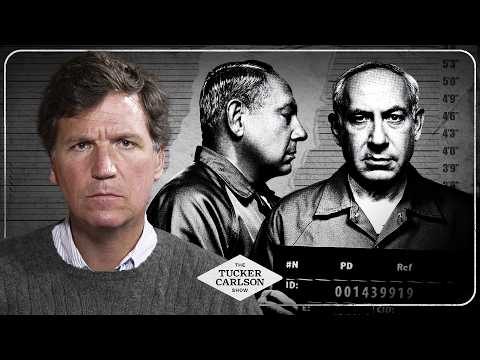
Tucker Carlson and Jason Whitlock sit down for a live reaction episode following Kamala Harris's speech at the Democratic National Convention. The episode opens with introductory remarks before pivoting to Harris's full speech presentation. The hosts then dive into substantive political analysis, questioning whether Harris genuinely possesses a viable path to victory in a general election matchup against Donald Trump. This discussion becomes a central focus as they evaluate her candidacy and the Democrats' strategic positioning for the upcoming election. A significant portion of the episode examines Harris's direct attacks on Trump, with Carlson and Whitlock offering their perspective on her criticisms of the former president's character and policy positions. Rather than accepting these attacks at face value, they deconstruct her rhetoric and consider the underlying political motivations. The conversation then shifts to substantive policy matters, particularly the intersection of immigration policy and the nation's housing shortage. This represents an attempt to ground the political debate in concrete issues affecting American households and communities. Both hosts explore how immigration impacts housing availability and affordability, treating this as a legitimate policy concern that resonates with voters. The final chapter of the discussion focuses on how the Democratic political apparatus operates behind the scenes. Carlson and Whitlock analyze the machinery that shapes candidate messaging, manages convention narratives, and coordinates party strategy. This meta-level discussion addresses how political parties construct their public-facing messaging and maintain internal coherence around their chosen candidates. Throughout the episode, the hosts maintain a critical perspective aligned with conservative political viewpoints. They approach Harris's speech not as supporters but as skeptical observers examining her arguments, policy proposals, and electability. The live reaction format allows for immediate commentary and back-and-forth discussion between the two hosts, creating a more conversational feel than traditional political analysis. By structuring the episode around Harris's speech itself, Carlson and Whitlock ground their commentary in a specific event, though their interpretations and conclusions reflect their ideological positions. The episode ultimately serves as a microcosm of how opposing political perspectives consume and interpret the same political messaging, highlighting the partisan nature of contemporary political discourse.