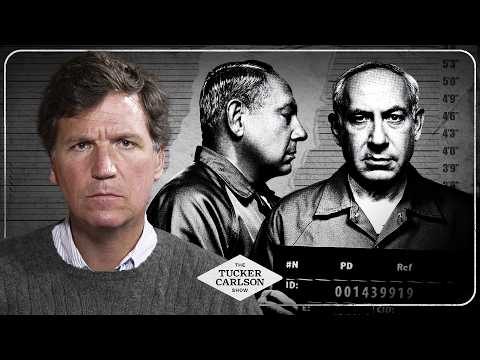
In this solo episode, the host explores the philosophical and ideological tensions within contemporary American conservatism, particularly between the America First movement and what he characterizes as neoconservative establishment figures. The central thesis presented is that the real battle facing America First advocates is not against specific personalities but against the gradual institutional capture and ideological drift that transforms outsider movements into establishment orthodoxy.
The episode examines how conservative media figures and political leaders navigate the pressure to conform to certain foreign policy orthodoxies, specifically regarding Israel and Middle Eastern interventions. The host argues that much of what passes for conservative debate misses the fundamental question of national interest and warns against the pattern where dissenting voices eventually adopt the positions they once challenged.
The discussion touches on how movements become compromised through incremental shifts, career incentives, and social pressure within elite circles. Rather than focusing on personal attacks or direct ideological combat with specific figures, the episode emphasizes the importance of maintaining consistent principles about what constitutes genuine American nationalism versus neoliberal internationalism wrapped in patriotic language.
The host addresses the challenge of distinguishing between authentic conservative critique and performative opposition that ultimately serves establishment interests. This includes examining how media ecosystems reward certain types of commentary while marginalizing others, and how financial incentives and social prestige within conservative institutions can gradually reshape a person's stated beliefs and positions.
The conversation implicitly raises questions about institutional capture, the role of media platforms in shaping conservative thought, and the tension between principled opposition and the desire for mainstream acceptance. The episode suggests that ideological vigilance requires recognizing how subtle pressures can shift positions over time, making the preservation of core principles a constant effort rather than a fixed achievement.
Throughout the discussion, there is an emphasis on understanding motivations and incentive structures rather than engaging in personal attacks. The host argues that understanding why people shift their positions is more important than simply criticizing them for doing so, as it reveals the underlying dynamics that threaten any political movement's long-term coherence and effectiveness.