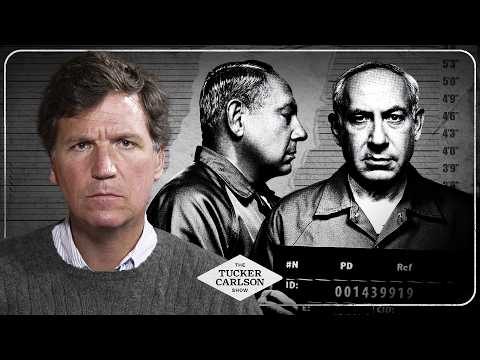
In this interview, Tucker Carlson sits down with Iranian President Masoud Pezeshkian to discuss the complex geopolitical tensions between Iran, Israel, the United States, and other global powers. Pezeshkian addresses fundamental questions about how Iran envisions ending the current conflicts plaguing the Middle East, emphasizing the desire for diplomatic solutions over military confrontation. The conversation explores Iran's nuclear program, a central point of international concern and sanctions. Pezeshkian indicates that Iran would be open to limitations on its nuclear capabilities if the international community would reciprocate with sanctions relief and acknowledgment of Iran's right to peaceful nuclear energy. A significant portion of the discussion focuses on concerns about international monitoring mechanisms. Pezeshkian raises questions about whether the International Atomic Energy Agency has been sharing classified information with Israel, suggesting a breach of trust in what should be impartial oversight. The interview delves into the historical animosity between Iran and Israel, tracing how this relationship deteriorated over decades of conflict and political decisions. Carlson inquires about specific assassination attempts against Pezeshkian himself and other Iranian leaders, highlighting the dangerous security environment in which Iran operates. The discussion addresses American perceptions of Iran, with Pezeshkian attempting to distinguish between the Iranian government's actual positions and the fears sometimes projected onto Iran by Western media and policymakers. The episode also covers the controversial religious decree issued by Iran's Ayatollah regarding Donald Trump, and whether Iran has engaged in assassination attempts against the former and potential future American president. Questions about Iranian sleeper cells operating within the United States are broached, touching on intelligence and security concerns. Pezeshkian discusses Iran's relationships with major powers including Russia and China, examining whether these nations would provide military assistance if Iran faced direct warfare with the United States or Israel. The conversation concludes by examining sanctions as a tool of American foreign policy and how they have impacted business relationships between Iran and the United States, as well as Iran's broader economic development and international standing.