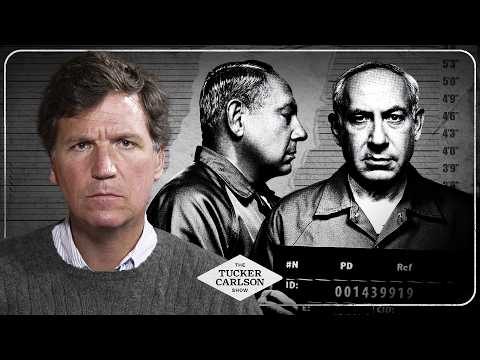
In this episode, the discussion opens with analysis of Nicolas Maduro's capture and what this development means for United States foreign policy. The conversation examines whether this event constitutes a genuine victory for American interests or represents a more complex geopolitical maneuver. Speakers consider the broader implications for how the US conducts regime change operations and its role on the world stage. The discussion then pivots to speculating about the next three years of American politics and which country might become the next target for regime change intervention. This leads into examination of the 2028 election landscape and how current events shape future electoral dynamics. A significant portion of the episode addresses institutionalized anti-white sentiment within American systems and institutions. The speakers argue that racial animus has been systematized and normalized in ways that affect policy and cultural direction. The conversation then takes a substantial turn toward spiritual and metaphysical themes. Cernovich and the host explore the concept of spiritual warfare, the existence and nature of demons, and how demonic influence operates in the world. They discuss whether individuals can be animated by evil spirits and what signs might indicate such possession. A particularly notable segment covers how ayahuasca use changed Cernovich's perspective on spirituality, consciousness, and the battle between good and evil. The speakers examine whether humanity should be concerned about demon possession and explore theological concepts including death and final judgment. They discuss the meaning of life from a spiritual perspective and how understanding the divine and demonic realms reshapes one's approach to existence. The episode concludes with analysis of how much global chaos and conflict stems from spiritual forces rather than purely material or political causes. Throughout, the speakers present a worldview in which material politics, geopolitical events, and international conflicts are downstream from deeper spiritual battles. This framework suggests that understanding world events requires grappling with metaphysical dimensions beyond conventional political analysis. The episode reflects a perspective that integrates traditional political commentary with explicitly spiritual and religious interpretations of contemporary events.