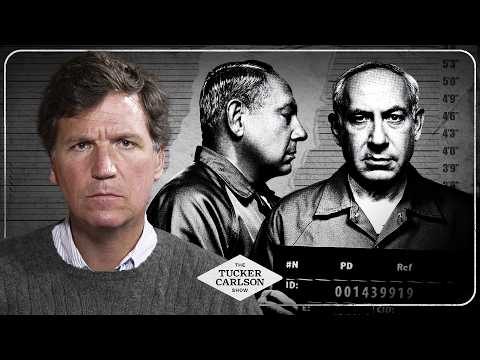
This episode examines how corporate media has profited from endless wars and continues to resist peace efforts that would reduce their viewership and influence. The discussion begins with criticism of Fox News and mainstream media outlets for pushing war propaganda, particularly their negative reaction to Trump's ceasefire achievement. The hosts argue that major news organizations benefit financially from conflict through increased ratings and advertising revenue tied to war coverage.
The episode explores how the CIA and intelligence agencies have historically manipulated media narratives to justify military interventions. Examples discussed include the buildup to the Iraq War, where media outlets uncritically amplified government claims, and the Benghazi situation, where the true nature of CIA operations was obscured from public view. The hosts contend that this pattern of manipulation has become a standard playbook for controlling the narrative around American military involvement abroad.
A significant portion of the discussion addresses why American politicians continue to support military interventions despite public opposition. The hosts suggest that lobbying interests, defense contractor donations, and pressure from foreign governments create incentives for politicians to maintain hawkish positions regardless of constituent preferences. They specifically question why American politicians prioritize certain international interests over domestic concerns.
The episode critiques what the hosts call the absurdity of the "woke right" and examines how both traditional right and left media have been complicit in perpetuating war narratives. They argue that genuine conservatism and patriotism should involve questioning unnecessary military interventions and protecting American lives and resources.
The conversation then shifts to the structural problems within American institutions. The hosts discuss how the deep state attempts to manipulate political figures, including Trump, to maintain existing power structures and military commitments. They argue that corporate media and intelligence agencies work together to shape public opinion and constrain political choices.
Toward the end of the episode, the hosts address the collapse of American cities and the misallocation of national resources. They argue that trillions spent on foreign wars could have been directed toward domestic infrastructure, education, and quality of life improvements. This connects back to their central thesis that war profiteering has come at the expense of American prosperity and stability.
The episode concludes by discussing the future of corporate media in an era of declining trust and emerging alternative news sources. The hosts suggest that traditional media outlets face a reckoning as audiences increasingly seek information from independent sources that challenge establishment narratives.