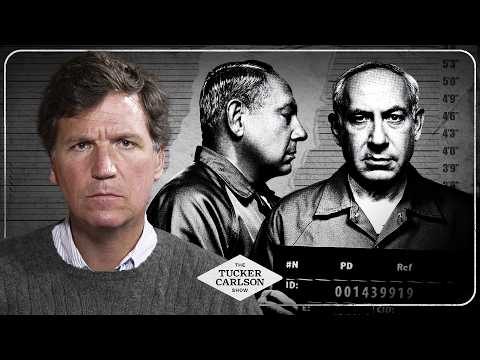
This extended debate between Tucker Carlson and Chris Cuomo explores fundamental questions about American identity and governance across multiple contentious topics. The conversation opens with acknowledgment of shifting media dynamics, particularly Joe Rogan's impact on the information landscape and how traditional gatekeepers have lost control over public discourse. The hosts discuss governance failures in New York, contrasting Andrew Cuomo's tenure with Eric Adams' administration while debating solutions to the state's mounting challenges. A significant portion addresses transgenderism and gender ideology, with both participants examining how these policies intersect with traditional values and institutional change. The episode dedicates substantial time to historical mysteries, including the JFK assassination files and the Epstein case, with discussion of alleged government cover-ups and questions about accountability within elite institutions. Carlson and Cuomo debate Elon Musk's proposed Department of Government Efficiency and whether it can meaningfully reduce federal spending and bureaucratic overreach. NATO's future features prominently, with examination of whether the US should maintain its commitment to the alliance or pursue alternative foreign policy approaches. The conversation turns to Ukraine, questioning whether American weapons are being diverted to black markets and how Trump should navigate the ongoing conflict. Both hosts address immigration policy, debating border security, national sovereignty, and the cultural implications of mass migration. The episode explores DEI initiatives and their perceived effects on meritocracy and institutional quality. A philosophical segment examines transhumanism versus Christian values and what these competing worldviews mean for humanity's future. The hosts debate whether Trump is fundamentally divisive or capable of uniting the country, examining his rhetoric and policy positions. Abortion policy receives debate attention, with both perspectives on the issue presented. The conversation concludes with discussion of freedom of speech in the digital age, examining how platforms, government, and cultural forces shape what can be publicly discussed. Throughout, the dialogue maintains civil disagreement while probing deep into questions about power, institutional integrity, individual liberty, and American values in a rapidly changing world.