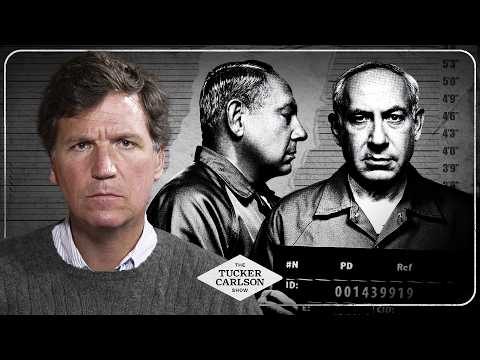
In this extended solo episode, Tucker Carlson hosts a substantive debate with Bret Weinstein covering a wide range of topics spanning theology, science, geopolitics, and technology. The conversation begins with fundamental questions about evolution and the origin of life. Weinstein articulates a perspective that acknowledges the explanatory power of evolutionary theory while questioning whether it fully accounts for consciousness and the apparent design evident in nature. Carlson presses Weinstein on how he explains the creation of all things without invoking God, leading to deeper discussion about the nature of consciousness itself and whether human intuition might point toward something beyond purely materialist frameworks.
The debate then shifts to morality and ethics. Carlson asks how humans derive moral judgment if no God exists, a question that highlights the philosophical tension between materialist worldviews and our subjective experience of right and wrong. Weinstein's treatment of Jesus Christ and the historical significance of religious traditions receives examination as well.
A substantial portion of the episode focuses on the Middle East conflict. Weinstein provides his analysis of what he believes are the true dynamics underlying the Israeli-Palestinian situation, suggesting that much of the public debate has become manufactured and detached from reality. Both guests express frustration with how foreign policy receives disproportionate attention and emotional investment compared to domestic issues affecting Americans. They discuss why having honest conversations about Israel has become increasingly difficult in contemporary discourse.
The episode addresses several controversial topics including COVID vaccine policy. Carlson and Weinstein discuss vaccine safety concerns and question why vaccines remain on the health schedule despite alleged safety issues. They explore the complications involved in potentially removing vaccines from standard recommendations and discuss what they characterize as the silencing of vaccine-injured individuals.
Toward the end, the conversation turns to artificial intelligence and consciousness. Weinstein and Carlson speculate about whether advanced AI systems could become conscious and what safeguards might be necessary to prevent AI from evolving into something dangerous to humanity. This leads into a final reflection on whether Weinstein maintains hope for the Western world given current trajectories in politics, culture, and technology.
Throughout the episode, both participants maintain a remarkably civil tone despite disagreeing on fundamental questions. The discussion demonstrates how substantive debate on deep philosophical and political questions can occur without devolving into personal attacks or bad faith argumentation. The breadth of topics covered reflects contemporary concerns about science, faith, international relations, public health policy, and technological development.