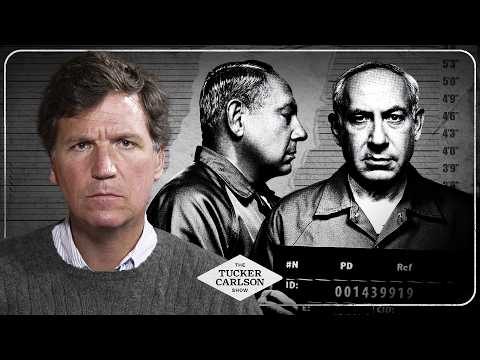
This episode features political analyst Paul Manafort discussing the current state of the 2024 presidential race between Donald Trump and Kamala Harris. Manafort, who served as Trump's first campaign manager in 2016 before his imprisonment and later pardon, provides insight into Trump's growing appeal across traditionally Democratic voting blocs.
Manafort argues that Trump is successfully winning over moderate voters by focusing on economic issues and appealing to working-class Americans who feel left behind by Democratic policies. He highlights significant shifts in the Hispanic community, where Trump has made unprecedented gains compared to previous Republican candidates. According to Manafort, Harris's campaign strategy relies heavily on fear-based messaging and attacks on Trump rather than presenting positive policy platforms that resonate with voters.
The discussion then turns to geopolitical concerns, particularly regarding U.S. foreign policy. Manafort addresses the Ukraine-Russia conflict, suggesting potential pathways toward peace negotiations and questioning whether current policies make sense. He expresses concerns about the risk of nuclear conflict and the broader implications of American involvement in foreign wars. The episode explores what a potential Trump presidency might mean for preventing World War III and achieving diplomatic resolutions to international conflicts.
Manafort also discusses Hunter Biden's involvement in Ukrainian operations and how these connections raise questions about American interests in the region. He suggests that mainstream media is actively spinning narratives to support Harris's campaign while suppressing Trump messaging and controlling the political narrative.
Another major theme is the potential response from the political left if Trump wins the election. Manafort suggests that just as many on the left refused to accept Trump's 2016 victory, they may similarly reject a 2024 Trump victory, creating further political division and instability.
The episode touches on demographic and ideological shifts within American politics, including the growing alienation of working-class voters from the Democratic Party and how elitist Democratic leadership has lost touch with ordinary Americans. Manafort argues that Trump's party has successfully repositioned itself as the party of working people, while Democrats have become dominated by coastal elites disconnected from average citizens' concerns.
Throughout the conversation, Manafort draws on his extensive experience in political campaigns and his insider knowledge of Trump's strategic approach to winning elections. He provides analysis of swing states, voting demographics, and political trends that he believes favor Trump's path to victory. The episode concludes with discussion of potential economic consequences, including speculation about the future of the U.S. dollar under different policy scenarios.