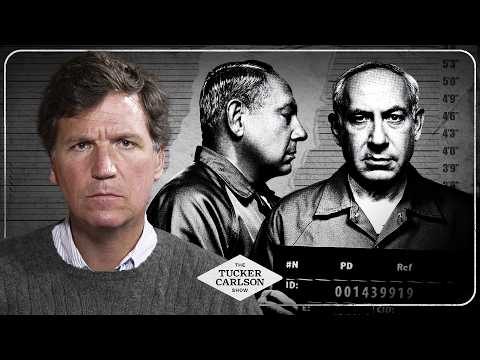
This episode features an intimate conversation about Canadian Prime Minister Justin Trudeau from someone who knows him personally. The discussion centers on how power and political position can fundamentally limit personal freedom, even for those who hold the highest offices. The guest provides insights into Trudeau's character while examining critical decisions made during the COVID-19 pandemic, particularly regarding lockdowns and vaccine mandates that divided Canadian society.
The conversation explores the mechanisms through which government institutions became intertwined with pharmaceutical interests, raising questions about regulatory capture and the prioritization of corporate interests over individual liberty. The episode examines how public health policies were implemented with limited scientific debate and how dissenting voices were marginalized in mainstream discourse.
A significant portion of the discussion focuses on the Freedom Convoy movement that emerged in Canada, which represented a grassroots response to government mandates. The episode contextualizes this movement within broader concerns about governmental overreach and the erosion of constitutional protections. The guest reflects on how Canada, traditionally viewed as a stable democracy, implemented some of the world's most restrictive pandemic policies.
The episode also touches on the role of regulatory agencies like the CDC and their influence on policy decisions, as well as the limited oversight of pharmaceutical companies that profited substantially from pandemic-related mandates. The conversation suggests that institutional structures may have become misaligned with their stated public health missions.
Throughout the discussion, there is an emphasis on how political ideology can shape decision-making and how those in power may be unable or unwilling to acknowledge unintended consequences of their policies. The guest provides a perspective on what it means to lose freedom in a nominally democratic society and how institutional capture can lead to policies that contradict scientific evidence or public welfare.
The episode serves as a case study in how emergency powers can become normalized, how public institutions can be influenced by external interests, and how societies can drift toward more authoritarian governance patterns. It raises fundamental questions about the balance between security and freedom, the importance of scientific debate, and the accountability of elected officials.