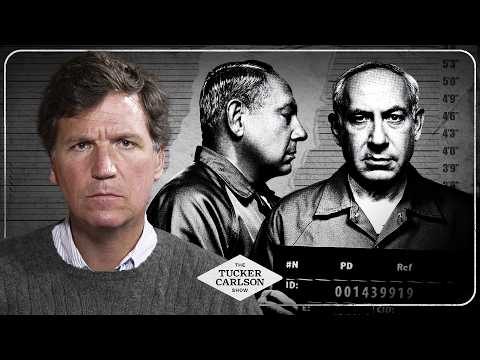
This episode explores the critical dangers of potential US ground troop deployment to Iran and the broader geopolitical implications of continued military involvement in the Middle East. James Webb, drawing on his experience as a decorated Marine who fought in Ramadi, provides insider perspective on military readiness, foreign policy decision-making, and the historical patterns that suggest the US has failed to learn from past conflicts. The discussion opens with analysis of whether American troops will be drawn into Iran, examining the political pressures and strategic calculations that might lead to such a deployment. Webb emphasizes that ground troops are historically followed by tyranny in the nations that deploy them, suggesting that any escalation to ground warfare would fundamentally alter America's domestic political landscape. The episode then pivots to examining America's track record in previous Middle Eastern conflicts, particularly Vietnam and Iraq. Webb argues that despite decades of military engagement in the region, policymakers have not implemented lessons learned from these costly endeavors. The conversation addresses whether the US military is adequately prepared for a major war, with Webb suggesting that current overextension in various theaters has compromised readiness and capability. A central theme throughout the episode is identifying the real strategic objective behind current violence in the region. Rather than accepting official narratives, Webb and the host explore how Israeli military actions may be designed to ensure continued American involvement rather than enable independence. The episode includes reactions to various political figures' statements about military escalation, revealing inconsistencies and concerning rhetoric from some policymakers. Webb also discusses the recruitment challenges facing the US military, questioning who would actually enlist for further Middle Eastern conflicts given public opinion. The death of the Ayatollah and its implications for regional dynamics are examined as potential flashpoints. The episode concludes with fundamental questions about what is genuinely worth fighting for and how the US can extricate itself from the Middle Eastern quagmire. Throughout, Webb emphasizes that ground troop deployment to Iran would have catastrophic consequences for American military capability, economic stability through Strait of Hormuz disruptions, and domestic governance.