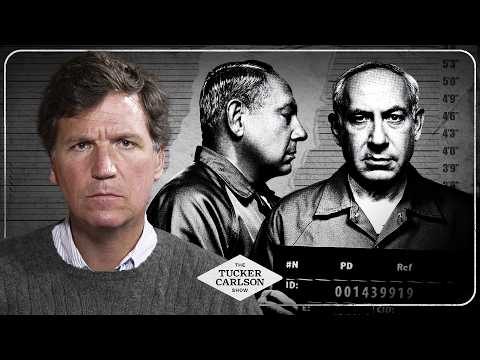
In this episode, Geoff Shepard presents a controversial reinterpretation of Watergate based on newly declassified documents and his firsthand experience as a White House lawyer during the Nixon administration. Fifty years after Nixon's resignation, Shepard argues that Watergate was fundamentally a political setup rather than a scandal initiated by the Nixon team itself. He claims the CIA played a central but hidden role in orchestrating the break-in and subsequent events that led to Nixon's downfall. According to Shepard, the break-in's true purpose and authorization remain unexplained by official investigations, and key figures involved have never been properly held accountable. The episode explores the CIA's documented involvement in various operations during this period and questions why their role in Watergate has been minimized or ignored by mainstream historians. Shepard emphasizes how the mainstream press amplified unverified claims and selectively reported information without proper verification, creating a narrative that was more politically damaging than factually complete. He identifies specific individuals whom he believes were the true architects of both the scandal and the investigation that followed. A significant portion of the discussion focuses on what Shepard calls the political persecution of Nixon, examining how the legal and media systems worked together to force his resignation. Shepard draws striking parallels between the methods used to remove Nixon from office and current legal actions against Donald Trump, arguing that similar patterns of institutional targeting are repeating themselves. The episode delves into the smoking gun tapes and what they actually reveal versus the interpretation that was publicly promoted. Shepard presents evidence suggesting that much of what the public believes about Watergate may be based on incomplete or deliberately distorted information. He discusses Nixon's own beliefs about whether the election was stolen and his understanding of the events unfolding around him. Throughout the conversation, Shepard emphasizes that the truth about Watergate has been obscured by decades of selective reporting, institutional interests, and political motivations that prevented genuine accountability. The episode suggests that understanding Watergate's true nature is essential for comprehending current political dynamics and institutional power struggles in American governance.