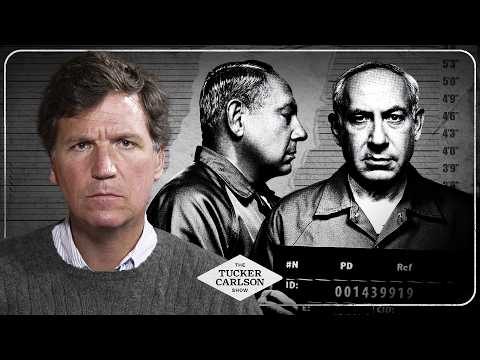
This episode examines the often-overlooked treatment of Christians living in the Holy Land and surrounding regions, particularly focusing on their experiences under Israeli government policies and the broader conflict affecting the area. The discussion reveals a complex situation where Christian communities face various challenges to their religious practice and safety, despite their deep historical roots in the region. A central theme throughout the episode is the apparent disconnect between Western Christian organizations and the plight of Christians in the Middle East, with some major American Christian leaders criticized for their limited advocacy on behalf of Palestinian Christians. The episode highlights Jordan's Muslim King as an unexpected protector of Christian holy sites, actively funding and maintaining these important religious locations while some prominent Western Christian figures have failed to prioritize Christian concerns in the Holy Land. The conversation addresses the repeated bombing of Christian medical facilities in Gaza, particularly a Christian hospital that was targeted multiple times during military operations. This raises questions about the protection of civilian infrastructure and vulnerable populations caught in armed conflict. The episode explores how Israeli government policies create practical difficulties for Christians seeking to visit and worship at holy sites, with various restrictions and security measures affecting religious access. There is discussion of increased Jewish extremism in Jerusalem and how this impacts Christian communities' sense of safety and ability to practice their faith freely. The comparative analysis shows that many Christians in the region feel safer and experience greater religious freedom in Jordan than in Israel or Palestinian territories, suggesting significant differences in how various governments and societies treat Christian minorities. The episode also examines Jordan's remarkable stability despite hosting large refugee populations and facing energy shortages, indicating broader questions about governance and resource management in the region. The discussion concludes with speculation about future developments in Gaza and the broader trajectory of conflicts and relationships affecting Christian communities in the Middle East.