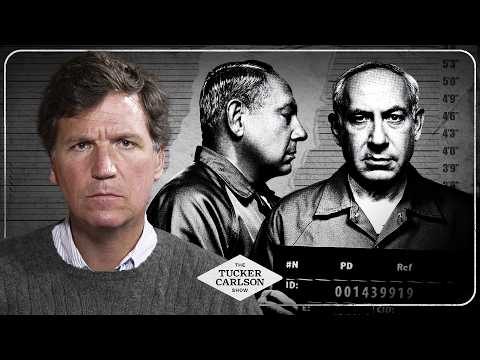
This episode presents Michael Scheuer's account of critical intelligence failures that preceded the 9/11 terrorist attacks. Scheuer, who headed the CIA's Bin Laden unit, provides an insider perspective on how both the Clinton and Bush administrations repeatedly failed to act on credible threats and operational opportunities to neutralize Osama Bin Laden and dismantled Al-Qaeda's leadership structure. According to Scheuer's testimony, the CIA had multiple chances to capture or kill Bin Laden during the 1990s, yet political leadership consistently rejected these opportunities. The episode details how counterterrorism funding was reduced during periods of heightened threat, undermining the operational capacity of intelligence agencies to conduct necessary surveillance and preventive operations. Scheuer discusses specific instances where actionable intelligence was available but political considerations, diplomatic concerns, and bureaucratic obstacles prevented decisive action. The narrative examines declassified documents and intelligence reports that allegedly show clear warnings about Al-Qaeda's intentions to conduct a major terrorist attack on American soil. These warnings came from various intelligence channels and field operatives but failed to generate sufficient urgency at the policy level. The episode highlights the tension between intelligence assessments and political decision-making, suggesting that policy decisions were not based on the severity of the threat but on other considerations. Scheuer's account raises questions about accountability and institutional failures within the U.S. government's counterterrorism apparatus. The episode frames the 9/11 attacks as a preventable tragedy, arguing that the attacks resulted not from intelligence blindness but from failures to act on available intelligence. It examines how institutional and political factors may have constrained decision-makers and how those constraints ultimately had catastrophic consequences. The presentation includes analysis of the timeline leading up to 9/11, tracing the progression of Al-Qaeda's planning and the parallel development of U.S. intelligence about those plans. The episode suggests that understanding these failures is essential for comprehending how 9/11 occurred and for evaluating the credibility of subsequent government claims about intelligence and counterterrorism efforts. Scheuer's testimony provides a detailed, firsthand account of operations, personnel, and decision-making processes within the Bin Laden unit and the broader intelligence community.