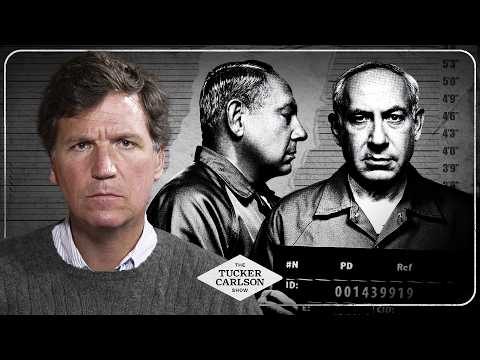
This episode presents the controversial claims of Mark Rossini, a former FBI agent who was embedded within the CIA's Bin Laden unit during the months preceding the September 11th attacks. According to Rossini, the Central Intelligence Agency possessed concrete knowledge that individuals later identified as 9/11 hijackers were present in the United States and actively planning an attack. Rather than following standard protocol and alerting the FBI to this critical threat, Rossini alleges that CIA officials instead attempted to recruit two of these individuals for a classified false-flag operation. This covert recruitment effort allegedly spiraled dramatically out of control, with Rossini suggesting that the failed mission may have directly contributed to the intelligence breakdowns that allowed the attacks to proceed unchecked. The episode explores how inter-agency tensions, compartmentalized information, and operational secrecy may have prevented crucial intelligence from reaching decision-makers who could have prevented the tragedy. Rossini's testimony raises profound questions about government accountability, the balance between national security operations and public safety, and whether citizens have received the complete truth about what intelligence officials knew before 9/11. The episode systematically examines the timeline of events, identifying key moments when different agencies possessed pieces of critical information that, if shared, could have altered the course of history. The presentation includes evidence, documents, and accounts from individuals directly involved in pre-9/11 intelligence work. These revelations challenge the official narrative established by government investigations and suggest that deliberate decisions were made to compartmentalize information and withhold truth from both the American public and other government agencies. The episode underscores how government secrecy, even when justified by national security concerns, can have catastrophic consequences. It examines whether the prioritization of covert operations over public protection represents a fundamental failure of government responsibility. Rossini's willingness to come forward with these claims demonstrates the tension between loyalty to government institutions and loyalty to the public interest. The episode raises uncomfortable questions about accountability when intelligence agencies make strategic decisions that ultimately fail to protect citizens, and whether cover-ups of failures are justified by national security classifications.