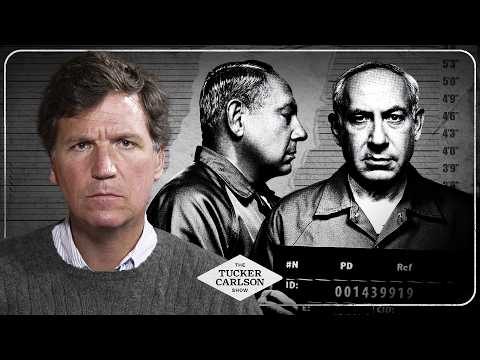
This episode of The 9/11 Files presents a detailed examination of controversial aspects of the September 11 attacks that remain unexplained in mainstream accounts. The discussion centers on several key anomalies that the official 9/11 narrative does not adequately address. Building 7, a 47-story office building in New York, collapsed hours after the Twin Towers fell despite not being directly struck by an aircraft. This structural event has become a focal point for those questioning official explanations, as the building's collapse mirrors controlled demolitions in ways that raise engineering concerns. The episode explores scientific reports suggesting explosive residue was detected in the rubble, which contradicts the prevailing theory that fires alone caused the structural failures. These findings have never been fully explained or incorporated into official investigations. The episode also highlights troubling questions about advance knowledge. Multiple news organizations, including BBC and other international outlets, reported that towers had collapsed before the actual events occurred, suggesting information was available to media sources before it became public knowledge. This timing discrepancy raises questions about the flow of intelligence information. Additionally, the investigation examines reports that foreign governments possessed intelligence about potential attacks that American intelligence agencies either missed or failed to act upon adequately. This intelligence gap raises questions about security protocols and information sharing between nations. The episode dedicates significant attention to the financial dimension of 9/11, specifically the unusual stock trading activity in airline companies and related industries in the days before the attacks. The investigation explores whether individuals with advance knowledge profited from put options and other strategic trades, pointing to potential financial motives behind the attacks or foreknowledge by certain parties. The episode emphasizes that these questions do not necessarily point to a single conclusion but rather highlight gaps in official narratives that deserve scrutiny. The investigation presents these anomalies as evidence that the original 9/11 Commission Report may have been incomplete or insufficiently rigorous. Rather than presenting definitive alternative explanations, the episode argues that the evidence warrants a new, comprehensive investigation with full transparency and access to previously classified materials. The episode encourages viewers to examine primary source material and form their own conclusions based on evidence rather than accepting narratives uncritically.