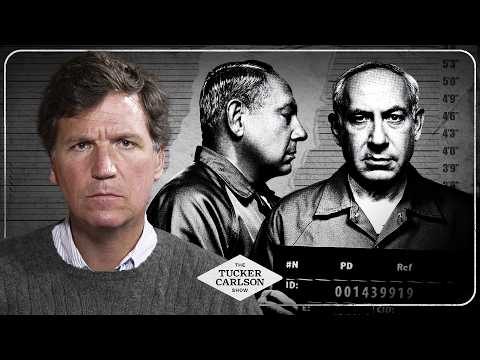
Scott Horton provides a comprehensive historical analysis of how the United States became entangled in conflict with Iran, tracing the roots back decades to the 1953 CIA-orchestrated coup that overthrew Iran's democratically elected Prime Minister Mohammad Mosaddegh. This intervention set the stage for decades of mistrust and hostility between the nations. Horton explains how the Carter Doctrine of 1980 formalized American commitment to military dominance in the Persian Gulf, establishing oil and regional control as primary strategic objectives. The discussion moves through the devastating Iraq-Iran War of the 1980s, during which the U.S. supported Saddam Hussein's regime despite full knowledge of chemical weapons use and atrocities. This conflict killed hundreds of thousands and left deep scars across the region. Horton then examines the first Iraq War as a catastrophic mistake that set in motion a chain of events leading to further instability. He addresses Bill Clinton's role in perpetuating Middle East interventionism and discusses how Osama bin Laden's motivations were primarily rooted in American military presence in Saudi Arabia and U.S. support for Israel, rather than ideological opposition to Western values. The episode explores the 1990s terror attacks and their context within this history of intervention. A significant portion addresses Israel's influence on American foreign policy, particularly through the neoconservative movement and the Clean Break strategy, which aimed to reshape the Middle East through regime change operations. Horton explains how this strategy influenced interventions in Iraq and Syria. The conversation covers Barack Obama's foreign policy decisions, particularly in Syria and Libya, which inadvertently created power vacuums exploited by extremist groups like ISIS. Media coverage of Syrian President Bashar al-Assad is examined as an example of how narratives are constructed to justify military intervention. Regarding Iran's nuclear program, Horton argues it has been systematically misrepresented by Western governments and media to manufacture consent for military threats. The episode concludes by examining what potential regime change in Iran would actually mean for regional stability and American security interests. Throughout, Horton emphasizes how decades of intervention, often undertaken without clear strategic logic or public understanding, have created the very instability and anti-American sentiment that policymakers claim to oppose.