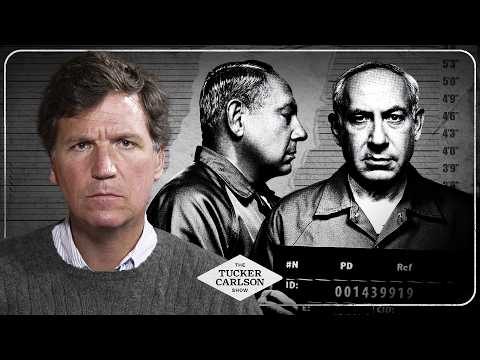
This episode features a solo discussion examining Ron Paul's warnings about America's economic future that have increasingly come to pass. Now at 90 years old, Paul reflects on predictions he made decades ago regarding inflation, debt accumulation, and the inevitable consequences of unsustainable fiscal policy.
The conversation explores whether America is heading toward bankruptcy. Paul emphasizes that the current trajectory of government spending and debt accumulation is fundamentally unsustainable. The national debt has exploded to unprecedented levels, and entitlement obligations create liabilities that dwarf official deficit figures. Paul argues that when the system finally breaks, it will be sudden and severe.
A critical topic involves America's gold reserves and why they have never been fully audited. Paul points out that claims of massive gold holdings at Fort Knox and other facilities have not been independently verified. This lack of transparency raises questions about whether the reserves actually exist in claimed quantities, which could have profound implications for currency stability and national wealth.
The episode examines who tells the truth in Washington, noting how genuine truth-tellers have been marginalized while more conventional voices dominate mainstream discourse. Paul reflects on how his own positions on foreign policy, monetary policy, and individual liberty were often attacked or dismissed by establishment institutions.
A significant portion discusses American foreign wars and their actual impact on citizens' lives. Paul argues convincingly that decades of military interventions in the Middle East and elsewhere have made Americans poorer, less safe, and more indebted while enriching defense contractors and empowering a military-industrial complex that perpetually seeks new conflicts to justify its existence.
The conversation addresses why America is becoming poorer despite being nominally wealthy. Paul traces this decline to currency debasement, inflation driven by excessive spending and money printing, and economic policies that punish savers while benefiting debtors and financial speculators. Real purchasing power has declined for average Americans even as nominal GDP figures suggest growth.
Paul discusses his controversial positions on Israel, explaining that his criticism has never been antisemitic but rather stems from consistent principles about limiting foreign entanglements and ending military aid to all countries. He maintains that consistent application of these principles to all nations, including Israel, reflects logical consistency rather than bias.
The episode includes personal reflections, including Paul's work delivering babies as a physician and his longstanding interest in gold as a store of value outside government control. He explains when and why he began recognizing gold's importance as protection against currency debasement.
Paul concludes with advice for young people emphasizing education about economics, money, and history. He expresses cautious optimism that despite systemic problems, ideas about liberty and sound money can still influence future generations to make better choices than current policymakers have made.