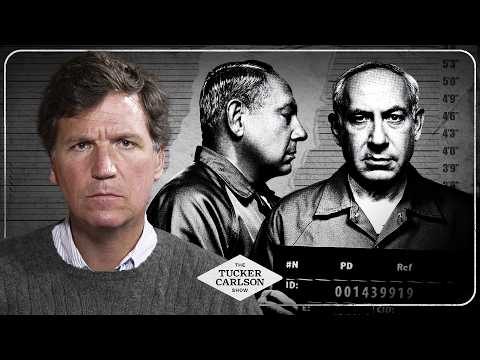
Rod Blagojevich, the former Governor of Illinois, joins to discuss his eight-year federal prison sentence and his dramatic transformation from lifelong Democrat to Trump supporter. Blagojevich recounts his experience in prison and reflects on how his party has changed during his incarceration. He argues that when he was released in 2020, the Democratic Party had fundamentally shifted away from its traditional values, particularly regarding Christianity and religious freedom. According to Blagojevich, the left has adopted an aggressively anti-Christian agenda that he finds incompatible with American values. A central theme throughout the conversation is Blagojevich's claim that his prosecution was politically motivated, with him suggesting that Barack Obama played a key role in orchestrating his downfall. He contends that his case was less about actual criminal conduct and more about eliminating a political rival. Blagojevich discusses how his legal battles opened his eyes to what he sees as deep corruption within Democratic Party leadership and the federal system itself. He credits Trump with commuting his sentence and views Trump as someone willing to challenge the established political order. Throughout the episode, Blagojevich expresses concerns about Democratic leadership, specifically mentioning Kamala Harris, Hillary Clinton, and the Clintons' involvement in foreign conflicts. He raises questions about how Barack and Michelle Obama accumulated significant wealth and influence. Blagojevich warns listeners about the consequences of a Kamala Harris presidency, characterizing her campaign as particularly problematic. He also criticizes the mainstream media for what he describes as coordinated efforts to protect Democratic elites from accountability and scrutiny. The episode includes discussion of the deep state, the FBI's role in political prosecutions, and broader themes about corruption within American institutions. Blagojevich presents his journey as evidence that the Democratic Party has become ideologically captured by what he considers radical forces, and he argues that Trump represents the last viable option for restoring traditional American values to politics. He emphasizes that his shift to supporting Trump reflects not a personal change but rather the Democratic Party's abandonment of principles he once believed in.