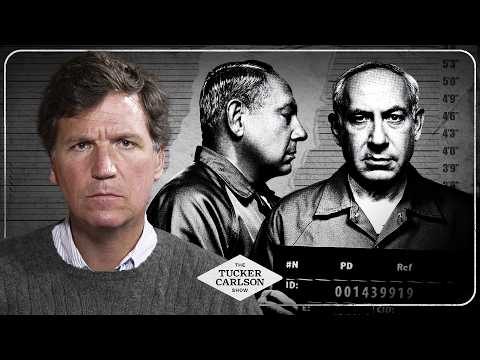
This episode features Peter Brimelow discussing his three-decade journey as a controversial figure in American politics and media. Brimelow recounts how William F. Buckley and the conservative establishment rejected him from their circles thirty years ago when he began warning about immigration's destructive effects on America. He argues that subsequent events have validated his early warnings about the consequences of mass immigration policy. The conversation explores Brimelow's thesis that there is a coordinated, deliberate effort to reduce the white population in America and Western countries through immigration and cultural policies. He contrasts this with how Israel is defended as an ethnostate with demographic concerns, suggesting a double standard in how nationalism and ethnic identity are discussed. Brimelow addresses his conflicts with prominent conservative figures, particularly examining why Ben Shapiro and other high-profile conservatives attacked him while claiming to champion free speech and nationalist values. He describes his experience with the Murdoch family's control of media and how editorial decisions affected coverage of immigration issues. A significant portion of the episode focuses on the legal harassment Brimelow faces, specifically lawsuits filed by New York Attorney General Letitia James. Brimelow characterizes these legal actions as an existential threat to his organization and livelihood, viewing them as politically motivated attempts to silence his advocacy work. He discusses how First Amendment protections appear inconsistent when applied to different political perspectives. The episode analyzes Donald Trump's unexpected appeal to white working class voters as a response to decades of demographic change and cultural displacement that occurred without explicit democratic processes. Brimelow argues this represents a political realignment based on genuine demographic concerns rather than baseless fear. He explores America's cultural and political trajectory, suggesting the nation faces fundamental challenges regarding national cohesion, identity, and long-term viability. The conversation touches on whether the Department of Justice might intervene in Brimelow's legal situation and addresses his personal outlook for the future despite ongoing legal and professional challenges. Throughout, Brimelow maintains that his decades-long warnings have been validated by current events and that serious discussion about demographic change and national identity should be possible in a free society without legal persecution.