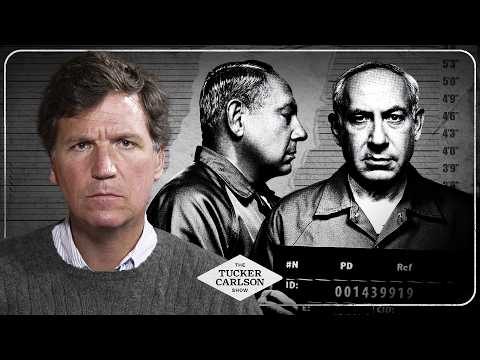
This episode examines the case of Dan Caldwell, a Pentagon advisor to Pete Hegseth, who was fired under controversial circumstances involving allegations of leaking classified documents. The discussion reveals a complex situation where Caldwell's principled opposition to military action against Iran may have made him a target for removal from his position. Caldwell had established himself as one of the most vocal advocates against initiating war with Iran, raising legitimate concerns about the geopolitical and military consequences of such action. The episode explores what a hypothetical conflict with Iran would entail, considering Iran's military capabilities and the global coalitions it has developed in response to US foreign policy in the Middle East. This context is crucial for understanding why Caldwell's position was controversial within certain Pentagon circles. The conversation delves into the historical parallels with the Iraq War, examining how regime change objectives have influenced US military decisions in the region. Caldwell's background in the Marine Corps and his subsequent work in military strategic planning provided him with credibility and deep expertise on these matters. The episode suggests that Caldwell's firing may have been politically motivated, with the leak accusations serving as a convenient justification for removing someone whose views conflicted with prevailing policy directions. Rather than being the actual source of Pentagon leaks, Caldwell appears to have been a convenient scapegoat. The discussion includes analysis of how Caldwell helped Pete Hegseth advance to his position as Secretary of Defense and how this relationship may have factored into subsequent events. The episode examines the broader implications of this case for Pentagon culture and whether internal dissent on military matters is genuinely welcomed or merely tolerated until it becomes inconvenient. Through Caldwell's experience, the conversation highlights tensions between military professionals who prioritize strategic analysis and policymakers focused on particular geopolitical objectives. The episode concludes by considering who the actual sources of the Pentagon leaks were and why Caldwell became the focus of investigation despite potentially being innocent. This case study raises important questions about accountability, transparency, and the treatment of whistleblowers within military institutions.