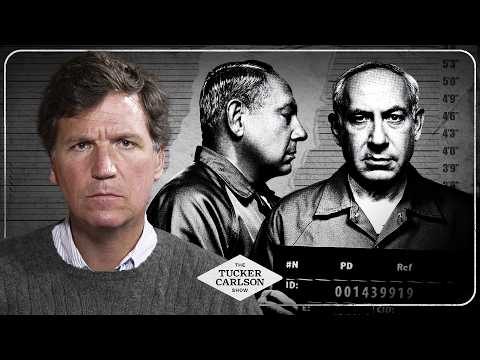
This episode examines the potential consequences of US military action against Iran, with particular focus on what would happen if hawkish policy advocates like Senator Ted Cruz succeed in pushing for regime change through military strikes. The discussion reveals the complex web of US military positioning, geopolitical interests, and the fundamental contradictions in current American foreign policy across multiple theaters.
The episode begins by analyzing what would unfold if the US launches strikes against Iranian nuclear and military infrastructure. The immediate consequences would extend far beyond Iran itself. American troops stationed throughout Iraq and Syria would become primary targets for Iranian retaliation and attacks from Iranian proxy militias. These forces, numbering in the thousands, are positioned in relatively vulnerable locations that lack the robust defensive infrastructure necessary to withstand coordinated Iranian responses. This vulnerability raises critical questions about why these troops were stationed in such exposed positions in the first place.
The conversation explores whether this troop positioning represents a deliberate strategy by US policymakers to create justification for escalated military action. By placing American forces in harm's way, decision makers could manufacture incidents that would rally domestic support for broader military operations against Iran. This strategic calculation reflects the deeper problem of military-industrial interests shaping foreign policy decisions rather than clear national security objectives.
Another major theme involves the severe constraints that simultaneous wars would impose on American military capacity and resources. Continuing support for Ukraine while fighting Iran would strain logistics, ammunition supplies, and personnel in ways the US military is not equipped to handle. The episode discusses the military's acknowledged supply problems and the reality that the US cannot sustain multiple major conflicts concurrently without significant domestic sacrifice.
The discussion also addresses the flawed assumptions underlying hawkish Iran policy. Proponents like Ted Cruz claim Iran poses an imminent nuclear threat capable of striking American cities, yet evidence suggests Iran's nuclear program is far less advanced than portrayed. The episode challenges whether the threat justifies the catastrophic costs of military action, including potential nuclear escalation and the loss of American and civilian lives.
A striking revelation involves the apparent interests some Western leaders have in prolonging the Ukraine conflict rather than pursuing diplomatic solutions. Financial flows, weapons contracts, and geopolitical positioning all benefit from continued warfare rather than peace settlements. This raises uncomfortable questions about whether foreign policy serves American interests or corporate and institutional interests that profit from conflict.
The episode concludes by questioning whether the American public and military genuinely support continued interventionism, or whether these decisions represent an elite consensus disconnected from broader public opinion. The rise of anti-war voices and criticism of neoconservative foreign policy suggests shifting attitudes that policymakers ignore at their peril.