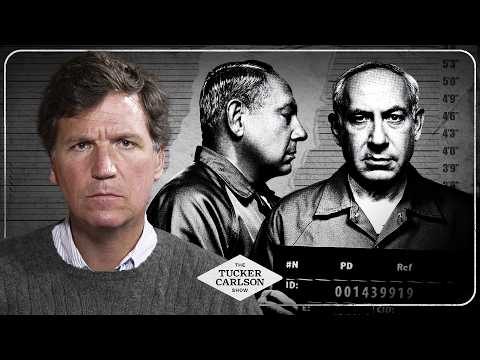
In this episode, Mike Benz discusses the arrest of Telegram CEO Pavel Durov and argues it represents coordinated government action to control digital communication. Benz explains that while Telegram is valuable to U.S. intelligence agencies for overseas operations, Durov refused to provide backdoor access or comply with government censorship requests, making him a target for prosecution.
Benz provides historical context by detailing how DARPA and intelligence agencies funded the development of early internet platforms and social media companies. He reveals that WhatsApp, despite its encryption, has provided the U.S. government with backdoor access through its parent company Facebook, unlike Telegram which has resisted such pressure.
The discussion extends into broader concerns about how governments define democracy. According to Benz, the definition has shifted from citizen participation and free speech to compliance with state directives and predetermined outcomes. He emphasizes that what was once considered democracy now involves suppressing domestic opposition, controlling narratives, and eliminating alternative communication platforms.
Benz explores DARPA's role as an incubator for military and intelligence technologies that later become consumer products. He explains how this infrastructure allows governments to maintain leverage over tech platforms and their users. The conversation touches on claims about potential backdoor access to Telegram through Russian intelligence, though Benz suggests this is less likely than direct government pressure on Durov.
A significant portion addresses U.S. policy toward Ukraine, including alleged memos establishing red lines for Zelensky that reflected American rather than Ukrainian interests. Benz suggests this exemplifies how the U.S. government uses foreign policy to advance domestic political goals rather than genuine national security interests.
The episode concludes with discussion of how the deep state apparatus views threats to its power, particularly Donald Trump and Elon Musk. Benz explains that both figures represent challenges to centralized government control over information and economic systems. He suggests that the coordination between U.S. intelligence, foreign governments, and tech companies in targeting figures like Durov demonstrates the scale of institutional resistance to independent actors in the tech and political spheres.
Throughout the conversation, Benz emphasizes that these actions represent a fundamental shift in how governments approach control, moving from overt censorship to eliminating platforms and their creators who refuse compliance.