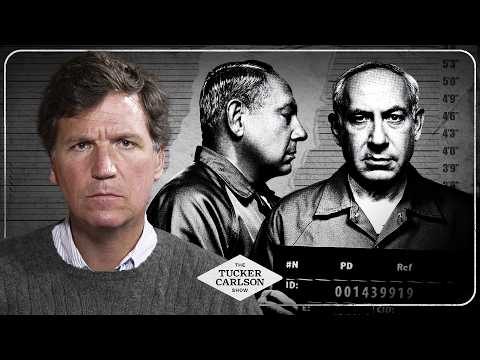
This episode features extensive political and media commentary examining several interconnected themes in contemporary American politics and foreign policy. The discussion begins with analysis of Venezuela under Nicolas Maduro and the broader implications of regional instability. The host and conversation explore how American media outlets frame international conflicts and the role of major news organizations in shaping public perception of wars and military interventions. A significant portion of the episode focuses on the influence of neoconservative voices within Fox News and how these ideological positions impact coverage and editorial decisions. The conversation delves into concerns about increasing restrictions on free speech and what the hosts characterize as loyalty tests being imposed on political commentators. These loyalty tests apparently center on unwavering support for certain geopolitical positions, particularly regarding Israel and American military involvement abroad. The discussion challenges viewers to think critically about mainstream media narratives and questions whether coverage of international conflicts serves the interests of ordinary citizens or narrow political and corporate interests. Particular attention is given to analyzing statements and positions taken by prominent political figures, evaluating consistency between their stated principles and their actual policy positions. The episode suggests that significant portions of the American media landscape are influenced by ideological commitments to military interventionism that may not align with conservative principles of limited government and fiscal responsibility. The hosts argue that critical evaluation of these narratives is essential for citizens seeking to understand complex geopolitical situations. The conversation extends to discussing how social and professional consequences are sometimes imposed on those who deviate from establishment foreign policy positions. Throughout the episode, there is an emphasis on the importance of independent thinking and questioning official narratives, particularly regarding military conflicts and foreign policy. The discussion reflects broader tensions within conservative media about the direction of American foreign policy and the extent to which traditional conservative principles align with contemporary neoconservative foreign policy approaches.