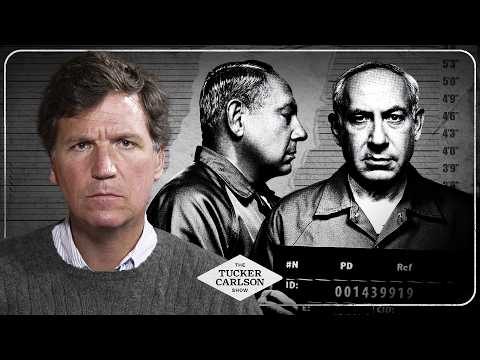
John Kiriakou's interview reveals the extraordinary consequences whistleblowers face when exposing government misconduct. After serving as a CIA officer, Kiriakou decided to speak publicly about the agency's torture program, becoming the first CIA employee to be imprisoned for whistleblowing. His decision to expose these practices was motivated by conscience, but it triggered what he describes as a coordinated campaign by the CIA and FBI to silence and prosecute him.
The investigation into Kiriakou was extensive and absurd in its scope. The FBI spent years attempting to entrap him into committing espionage, creating scenarios and pressures designed to push him toward illegal activity. When these entrapment attempts failed, prosecutors charged him under the Espionage Act for revealing classified information about torture programs. Kiriakou argues this sets a dangerous legal precedent that criminalizes legitimate whistleblowing and has subsequently been used against other defendants.
Kiriakou provides detailed accounts of CIA torture techniques and the bureaucratic culture that allowed such programs to continue. He discusses how the Obama administration, despite campaign promises to end torture, actually protected CIA officials involved in these programs and prosecuted those who exposed them. John Brennan, then CIA director, allegedly sought Kiriakou's execution for embarrassing the agency.
The conversation extends into darker territory, with Kiriakou discussing the CIA's alleged involvement in the assassinations of JFK and RFK, the MKUltra mind control program, and claims about biological warfare capabilities. He describes how the agency transformed following 9-11 into something resembling a paramilitary organization with its own financial apparatus separate from congressional oversight.
Kiriakou served time in prison for his whistleblowing and subsequently sought pardons from both the Obama and Biden administrations, neither of which granted clemency. He observes that many CIA employees believe they are serving their country despite participating in questionable programs, suggesting a profound disconnect between intention and impact within intelligence agencies.
The episode also covers systemic issues with the Espionage Act, which criminalizes government employees sharing information with journalists or the public. Kiriakou argues this law has been misused to prosecute whistleblowers rather than spies and that recent cases, including those involving Trump, demonstrate how the legal precedent established in his prosecution continues to threaten free speech and government accountability.
Throughout the interview, Kiriakou maintains a measured tone while describing extraordinary government actions, including FBI agents eventually apologizing for their conduct and expressing their own concerns about agency overreach.