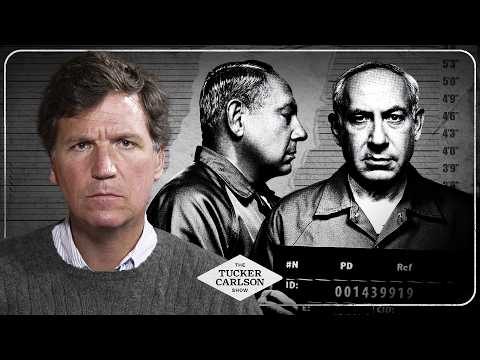
In this episode, Joe Kent, a highly decorated former counterterrorism official, speaks candidly about his experiences in government and his recent resignation. With two decades of military service including 11 combat deployments and six Bronze Stars, Kent brings credible insider perspective to geopolitical questions that are rarely discussed openly in mainstream media. The conversation begins by examining the justification for military action against Iran, with Kent questioning whether an actual imminent threat existed or whether the narrative was constructed for other purposes. He addresses criticisms and allegations that have been leveled against him, presenting his own account of events and his professional assessment of the situation. A significant portion of the discussion focuses on Iran's nuclear capabilities, separating fact from speculation about how close Iran actually was to developing nuclear weapons. Kent expresses concerns about who holds genuine influence over presidential decision-making on Middle East policy, suggesting that gatekeeping occurs at high levels of government. He then discusses Israel's role in U.S. intelligence operations and military actions in the region, raising questions about the extent of Israeli influence on American foreign policy decisions. The episode explores the historical context of wars in Iraq and Syria, examining whether these conflicts were driven by Israeli interests rather than American security concerns. Kent discusses his own interactions with the Trump administration and his ultimate decision to resign from his position. He addresses concerning incidents involving security breaches and intelligence community issues. The conversation touches on declassification of sensitive files, including why certain JFK documents remain unavailable to the public. Throughout the episode, Kent maintains a measured but direct tone, presenting information that challenges official narratives while grounding his arguments in his extensive experience in military and counterterrorism operations. His unique position as both a decorated military officer and a Gold Star family member gives him credibility when discussing these sensitive national security matters. The discussion raises important questions about transparency in government, the influence of foreign powers on U.S. decision-making, and the proper role of military force in international relations.