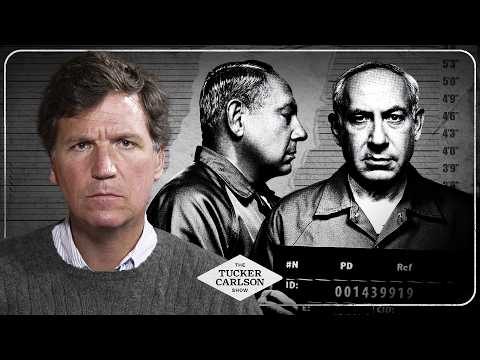
This episode examines the complexities surrounding Donald Trump's efforts to declassify JFK assassination files and the broader history of government document secrecy. The discussion focuses on the potential loopholes in Trump's executive order that might prevent complete transparency despite intentions to release classified materials. For over 60 years, documents related to the Kennedy assassination have remained hidden from public view, and understanding why requires examining where these files are actually stored and which agencies control their release.
The CIA and other intelligence agencies have successfully maintained classifications on numerous documents using national security arguments. These institutional interests in secrecy have proven remarkably durable across multiple administrations and decades. The episode explores what the CIA might be hiding and how their concerns about intelligence sources and methods continue to justify withholding information from the American public.
Beyond the JFK files, the discussion extends to other major historical assassinations including Robert F. Kennedy and Martin Luther King Jr. The delayed release of MLK files demonstrates a pattern where sensitive documents remain classified for extended periods, raising questions about governmental transparency and historical accountability.
A central question addressed is whether Lee Harvey Oswald actually assassinated President Kennedy or served as a patsy for other actors. This fundamental uncertainty reflects gaps in available evidence and the limitations imposed by classified documents. The conversation also considers RFK's assassination and the various theories surrounding both cases.
International complications add another layer of complexity to declassification efforts. The episode mentions Israeli nuclear program documents, suggesting that releasing certain JFK files might expose sensitive information about other nations' nuclear capabilities and U.S. diplomatic agreements. This creates institutional resistance from multiple government departments with interests in maintaining secrecy.
The core challenge is determining how we will actually know when all JFK documents have been released. With executive orders subject to national security exemptions and agency resistance, complete transparency remains uncertain. The episode suggests that understanding the real obstacles requires examining which specific agencies hold documents, what information they protect, and what institutional incentives keep them classified.
The discussion frames declassification not as a simple matter of releasing files but as a complex bureaucratic and political process involving multiple agencies with competing interests. Trump's effort represents another attempt to break through decades of secrecy, but the structural impediments built into the classification system may ultimately limit how much information becomes publicly available. The episode highlights fundamental questions about government transparency, historical truth, and the public's right to know about major events that shaped American history.