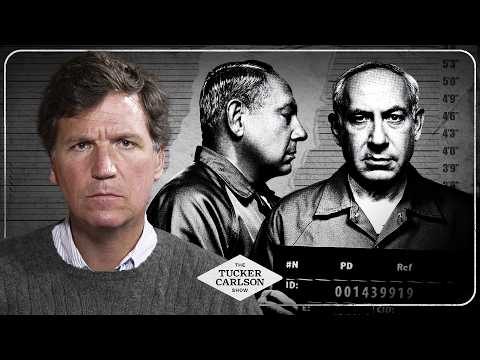
In this episode, Jeffrey Sachs discusses how geopolitical forces are pushing the United States toward catastrophic wars with Iran and Russia. Sachs argues that Ukraine has become central to the deep state's strategy because it represents a key battleground in the broader U.S. goal of containing and weakening Russia. He traces the origins of Western hostility toward Russia back to Cold War thinking that never evolved after the Soviet Union's collapse.
Sachs explains how Bill Clinton's administration, influenced by neoconservative ideology, broke promises made to Russia about NATO expansion. This expansion eastward toward Russian borders created decades of tension and mistrust. He details how the deep state used various mechanisms to prevent Trump from normalizing relations with Russia, viewing his presidency as a threat to the military establishment's interests.
A critical moment in the conversation centers on the sabotaged peace agreement between Russia and Ukraine in 2022. According to Sachs, negotiations were progressing toward a settlement until U.S. and British intelligence agencies intervened to prevent the deal, preferring a prolonged conflict that would weaken Russia strategically. This decision, Sachs argues, contradicted American interests in favor of maintaining the war machine's operational status.
Regarding Iran, Sachs presents a troubling narrative about how U.S. foreign policy has been co-opted to serve Israeli strategic interests rather than American security. He examines the pattern of fabricated intelligence used to justify wars in Iraq and Syria, arguing the same playbook is being deployed against Iran. Sachs questions whether Iran actually poses the nuclear threat that American policymakers claim, suggesting instead that Israel wants war with Iran for regional dominance reasons.
Sachs advises Trump on how to navigate around the war machine by directly engaging with Russia and other nations to negotiate peace settlements. He emphasizes that the U.S. is being steered toward multiple simultaneous conflicts that could escalate into world war, driven by intelligence agencies and military contractors rather than genuine national security threats. Throughout the conversation, Sachs maintains that American foreign policy has become untethered from democratic input and public interest, captured instead by institutional interests in perpetual conflict.
The episode presents a perspective critical of U.S. military and intelligence establishment actions, arguing that preventing wars requires political will to resist entrenched institutional pressures favoring military solutions over diplomatic ones.