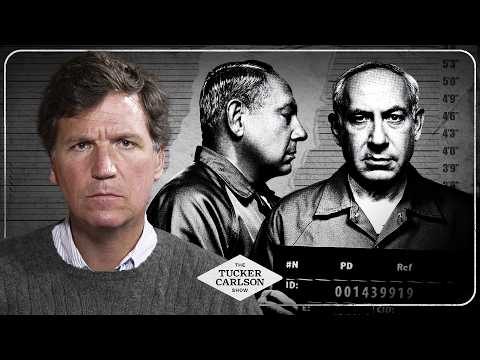
This episode features economist and policy expert Jeffrey Sachs discussing the current state of American politics, foreign policy, and Donald Trump's presidency. The conversation opens with Sachs recounting his personal meeting with Hungarian Prime Minister Viktor Orban, which provides context for understanding non-aligned perspectives on global politics. Sachs then addresses what he views as shadowy deep state operations dating back to the Clinton administration, suggesting that institutional forces have long worked behind the scenes to shape American foreign policy away from democratic oversight. The core of the discussion centers on what Sachs considers Trump's three most important accomplishments, though the episode emphasizes Trump's potential ability to fundamentally reshape America's approach to international relations. A significant theme throughout is the breakdown of rational political discourse in America. Sachs argues that the country has lost its capacity for nuanced conversations about complex geopolitical issues, with media narratives and partisan divisions preventing genuine dialogue about national interests. The episode explores the concept of American global dominance and the mechanisms through which the US maintains influence worldwide. Sachs contends that the US has frequently intervened in foreign countries, destabilizing regions and sowing chaos through covert operations, military interventions, and support for regime change efforts. These actions, he argues, have often backfired, creating long-term instability and resentment. The appointment of Tulsi Gabbard as Director of National Intelligence receives particular attention, with Sachs suggesting this represents a watershed moment for US foreign policy. Gabbard's confirmation signals a potential shift toward questioning long-standing interventionist assumptions and reassessing America's role in global conflicts. The episode concludes by examining how the Democratic Party's own foreign policy strategies have ultimately undermined their political position. Sachs suggests that the party's commitment to military interventionism and confrontational stances toward Russia and other powers has alienated voters and contributed to their electoral losses. Throughout the conversation, there is an underlying argument that Trump's unconventional approach to diplomacy and his willingness to question established foreign policy orthodoxy could offer a path toward reducing global tensions, particularly regarding the Ukraine conflict. Sachs emphasizes that peace negotiations require leaders who can think beyond conventional wisdom and challenge entrenched interests that benefit from ongoing tensions.