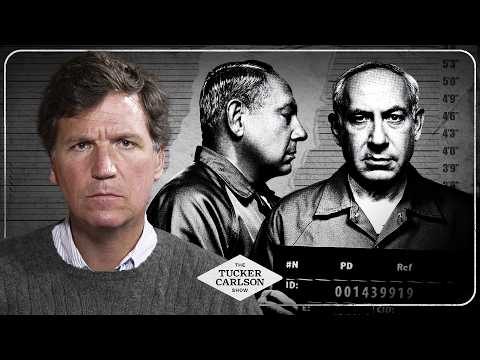
This episode features a discussion on the geopolitical pressures surrounding potential U.S. military action against Iran and Israel's role in influencing American foreign policy. The episode opens with analysis of how neoconservative elements are pushing for military intervention before the Trump administration takes office, framing this as Israel's last opportunity to use American military resources for regime change in Iran. The guest explores the remarkable consensus between both major political parties on Iran policy despite significant differences on other issues, questioning why this particular foreign policy priority receives bipartisan support while domestic issues remain deeply polarized. Throughout the conversation, the episode examines how intelligence agencies and mainstream media outlets have shaped public coverage of military buildup and Iran policy, suggesting coordinated efforts to influence perception and support military escalation. The discussion addresses the mechanisms through which Israel maintains substantial influence over U.S. government decision-making, including campaign financing, lobbying efforts, and political leverage with key congressional figures. A significant portion focuses on how foreign military conflicts and security threats have historically been utilized to expand government power domestically and restrict civil liberties under the guise of national security. The economic implications receive attention, with discussion of how military escalation affects energy markets, gas prices, and oil costs that directly impact American consumers. The episode also touches on claims about globalist networks and coordinated efforts to control media narratives and suppress alternative viewpoints. Additional segments cover an interview with Mike Huckabee regarding his positions on Israel and American interests, exploring potential conflicts between supporting Israel's agenda and prioritizing American national interests. The conversation critiques what the guest characterizes as repetitive patterns of violence and manufactured crises used to achieve political objectives. Overall, the episode presents a critical examination of how foreign policy decisions are made, whose interests they serve, and the consequences for ordinary Americans in terms of economic impact, civil liberties, and military commitment.