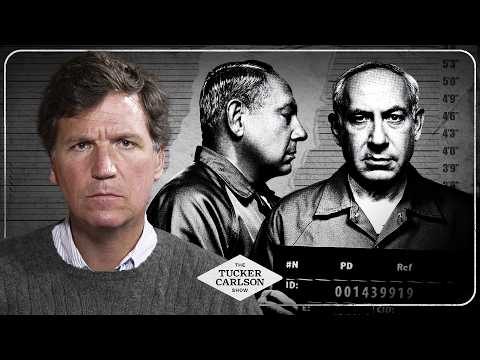
In this episode, lawyer and political commentator Harmeet Dhillon provides a detailed critique of Vice President Kamala Harris, drawing on over 20 years of personal knowledge of Harris in San Francisco politics. Dhillon frames Harris as having advanced her political career through her relationship with prominent California politician Willie Brown, examining how this connection influenced her early trajectory in California politics. The conversation explores Harris's record as California's Attorney General, with Dhillon raising questions about prosecutorial decisions and conduct during her tenure. Dhillon argues that Harris engaged in alleged misconduct, including cases where she allegedly protected criminals rather than prioritizing victims. The episode examines Harris's stated positions on key social issues, particularly her opposition to the pro-life movement and her positions on free speech, characterizing them as extreme. Discussion includes examination of Harris's husband Doug Emhoff and questions about Harris's claims regarding her minority status and identity. Dhillon addresses Harris's public speaking gaffes and suggests that corporate media has provided inadequate scrutiny or coverage of these incidents. The conversation touches on Harris's performance as Attorney General, questioning her effectiveness and legacy in that role. The episode explores public polling data and voter sentiment, with discussion of why many voters express discomfort with Harris as a candidate. Throughout the conversation, Dhillon presents Harris's record and positions critically, arguing that voters deserve full awareness of her background and history. The episode concludes with discussion of potential policy outcomes and consequences if Harris were elected president, focusing on issues like abortion rights, free speech protections, and criminal justice approaches. The presentation emphasizes the importance of voters having access to detailed information about Harris's actual record and positions rather than relying on media narratives that Dhillon characterizes as incomplete or protective of Harris.