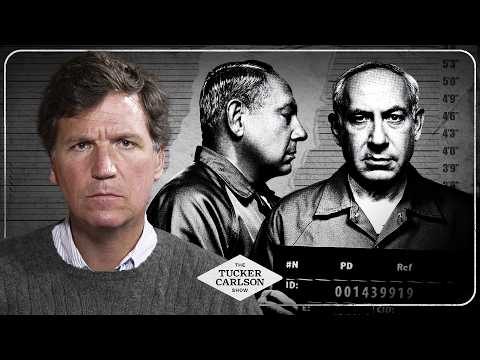
In this episode, Glenn Greenwald discusses the profound failures of corporate media and its impact on American democracy. He opens by addressing CNN's handling of Joe Biden's cognitive decline, pointing out that the network spent five years denying what many observers could plainly see. When Biden finally withdrew from the 2024 race, CNN attempted to reframe itself as breaking the story rather than acknowledging its years of dishonest coverage. Greenwald argues this exemplifies how corporate media operates: it doesn't report facts but rather serves the interests of political establishments and wealthy owners.
Greenwald explains how political tribalism has infected journalism, preventing honest conversations about policy and accountability. Instead of evaluating politicians based on merit and actual positions, partisan media outlets simply defend their team while attacking the other side. He notes that this polarization makes it impossible for citizens to develop accurate understandings of major issues.
Discussing Trump, Greenwald suggests the establishment's real objection isn't rooted in policy specifics but in Trump's challenge to NATO spending and military interventionism. This threat to the military-industrial complex's financial interests drives the intense opposition from institutions that benefit from endless wars.
The conversation shifts to Jeffrey Epstein and unresolved questions about his potential connections to intelligence agencies. Greenwald highlights how corporate media largely dropped coverage of Epstein once initial trials concluded, preventing deeper investigation into his networks and potential intelligence relationships.
A particularly striking section addresses Congressman Randy Fine's public statements calling for nuclear strikes on Gaza. Greenwald emphasizes that corporate media largely ignored this shocking proposal, demonstrating how outlets selectively cover inflammatory rhetoric based on political alignment. This illustrates a broader pattern where mainstream outlets promote military aggression and warfare without subjecting such positions to serious scrutiny.
Greenwald also discusses the government's push to ban TikTok, arguing that the real motivation isn't national security but rather controlling information flows and eliminating platforms where citizens bypass traditional media gatekeepers. He explains how identity politics has become a tool for silencing honest conversations, as people fear social consequences for expressing unpopular but legitimate viewpoints.
Throughout the episode, Greenwald emphasizes that healthy democracies require free speech, honest media, and the ability to challenge established narratives without fear. He argues that the current trajectory of censorship, political tribalism, and corporate control of information threatens fundamental democratic principles. The episode concludes with reflections on what genuinely makes people happy, contrasting it with the fear and division sown by current information ecosystems.