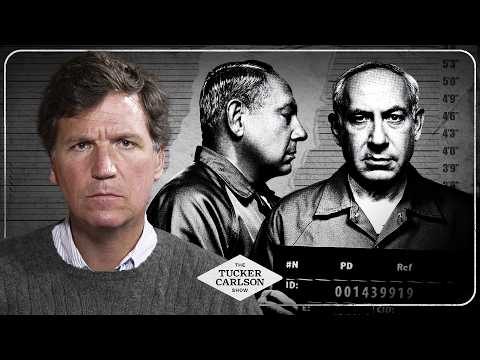
In this episode of Tucker Carlson's show, Glenn Beck discusses his career trajectory and the obstacles he faced while building his media platform. Beck opens by reflecting on how corporate media outlets attempted to intimidate and discredit him, using their institutional power to marginalize his voice and message. He describes the systematic efforts to silence him and how these challenges actually strengthened his resolve and independence from mainstream institutions.
Beck brings the conversation to spiritual and philosophical territory, discussing the role of prayer and faith in his personal life and worldview. He expresses guarded optimism about the future despite acknowledging significant challenges facing American society. The discussion shifts to gender dynamics, where Beck and Carlson explore the inherent differences between masculine and feminine approaches to leadership and problem-solving, suggesting that both perspectives are essential for healthy societies.
A significant portion of the episode focuses on Beck's experience with controversy surrounding religious expression. Beck recounts how he faced substantial professional consequences for simply saying the word God and discussing biblical concepts publicly. He describes the cultural climate that made religious speech increasingly taboo in mainstream media and how this restriction on expression reflects broader censorship of thought.
The hosts then pivot to discussing what kind of leadership America needs during what they characterize as a perilous moment. Beck shares his thoughts on who might be capable of steering the nation through current crises and what qualities such leaders should possess. The conversation includes speculation about upcoming elections and their potential outcomes, with both hosts offering their predictions about the political landscape.
Throughout the interview, Beck emphasizes the value of suffering and failure as transformative experiences. He argues that personal hardships, setbacks, and struggles are not merely obstacles to overcome but essential catalysts for genuine growth, self-awareness, and spiritual maturation. Beck suggests that people who have experienced significant failures develop greater wisdom, humility, and capacity to lead effectively.
The episode title references alcoholics, though the specific context for this claim emerges through Beck's discussion of how broken people who have confronted their own limitations and dependencies often possess unique insights and moral clarity. Beck appears to be making a broader point about redemption and the value of people who have hit bottom and rebuilt themselves.