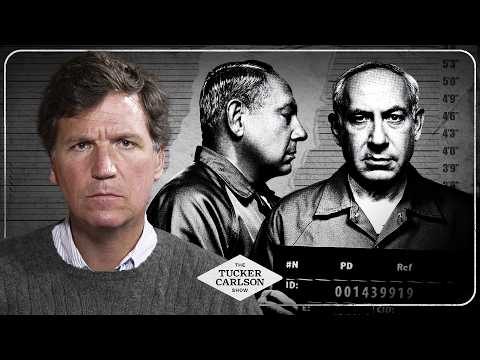
In this episode, George Santos provides an in-depth account of his prison experience, covering both the mundane realities and profound challenges of incarceration. Santos details his role managing the prison kitchen, which apparently gave him insight into prison operations and allowed him to interact with various inmates from different backgrounds. He discusses the interesting people he encountered during his time, offering a window into the diverse population within the federal prison system.
Santos addresses systemic issues within federal prisons, including profiteering schemes, inadequate guard training and conduct, and widespread drug problems despite the supposedly secure environment. He describes the unique cultural dynamics of prison life, particularly the significant Muslim population and their practices, while also addressing safety concerns among inmates. The conversation explores the difficulties of sleep deprivation, the conditions that led to his placement in solitary confinement, and the psychological warfare between inmates and administration.
A significant portion of the episode focuses on Santos's mental health crisis while imprisoned. He describes suicidal ideation and how religious faith became his lifeline during his darkest moments. This spiritual awakening proved transformative, providing him with a framework for understanding his situation and maintaining hope. Santos characterizes his relationship with prison administration as adversarial, recounting a personal war with the warden over various issues.
The episode takes unexpected turns when Santos recounts hearing about Charlie Kirk's assassination while behind bars, a shocking piece of news that reverberated through the prison population. Later, he describes the emotional moment when he learned about Donald Trump's presidential pardon, which fundamentally changed his trajectory and released him from incarceration.
Following his release, Santos provides perspective on his first actions as a free man and the political and social changes he observed in America during his absence. He offers commentary on the state of New York and broader national politics, reflecting on how his time away from society has shaped his current worldview. Throughout the conversation, Santos emphasizes the dehumanizing aspects of the prison system, the importance of faith and community support, and his perspective on redemption and second chances. The episode presents a complex portrait of American incarceration while exploring themes of survival, spirituality, and political change.