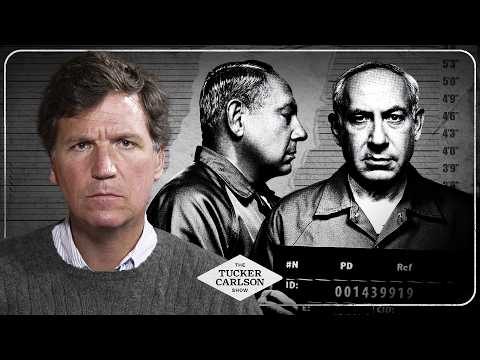
This episode features Tucker Carlson delivering a full speech at AmericaFest, organized by Turning Point USA, where he discusses the America First movement and contemporary challenges to free expression. Carlson addresses the rise of deplatforming and what he characterizes as a new agenda of censorship targeting certain voices on the political right. He argues that voters rejected identity politics and ritual denunciation in recent elections, positioning these as central failures of establishment politics that the America First movement explicitly opposes. The speech takes place within the context of ongoing debates about media control, social media censorship, and the consolidation of power among major tech platforms. Carlson examines how the definition and enforcement of acceptable speech has shifted dramatically in recent years, with particular focus on how some conservative figures and movements have been removed from major platforms. He emphasizes themes of national sovereignty, American identity, and resistance to what he views as coordinated efforts to silence dissenting voices. The episode includes a question and answer format that allows for direct engagement with the audience and exploration of specific concerns raised by attendees. Carlson's remarks reflect broader conservative concerns about the power of media institutions and the tech industry to shape political discourse and outcomes. The speech was presented alongside other programming at AmericaFest, suggesting it was part of a larger gathering designed to mobilize and unite right-leaning constituencies. The emphasis on deplatforming and censorship indicates this was delivered at a time when these issues were becoming increasingly central to political organizing on the right. Carlson's framing of identity politics as something voters explicitly rejected positions the America First movement as offering an alternative vision of American politics based on different organizing principles. The inclusion of multiple paid partnerships reflects the business model of independent media creators who have built audiences partly through criticism of mainstream media institutions. The speech represents an important moment in the evolution of conservative media and political organizing, documenting how major political figures are adapting to changes in media landscape and audience preferences. The focus on free speech and deplatforming reflects genuine concerns within conservative circles about their ability to communicate directly with audiences through traditional channels.