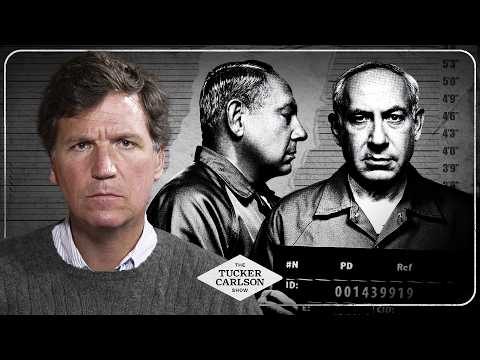
In this episode, Don Trump Jr. joins Tucker Carlson to discuss pressing political concerns affecting the nation. The conversation opens with Don Jr. highlighting serious threats to his father's life, framing this as a symptom of a larger breakdown in institutional safeguards and rule of law. He argues that if the sitting administration would allegedly attempt to harm a political opponent, it raises disturbing questions about what such forces might do to ordinary citizens and other political adversaries.
The discussion shifts to analysis of the 2024 presidential race, where Don Jr. evaluates the current political landscape and what he sees as fundamental choices facing American voters. He addresses the mechanics of electoral politics and attempts to understand voter sentiment across different demographics and regions.
A significant portion of the episode focuses on Ukraine policy, with Don Jr. raising important questions about U.S. involvement, the rationale behind current foreign aid commitments, and whether American interests are being adequately served. He expresses concerns about transparency and accountability in how these decisions are being made and communicated to the public.
The conversation examines why mainstream media appears to advance leftist political narratives rather than serving as an independent check on power. Don Jr. discusses how institutional media has shifted from traditional journalistic standards to what he characterizes as an extension of partisan political operations. This connects to broader questions about information control and narrative management in modern politics.
Don Jr. addresses what he sees as the use of political violence as a tool by certain groups, citing examples and patterns he believes demonstrate a coordinated effort to silence opposition through intimidation and threats. He questions why law enforcement responses appear inconsistent and selective based on political affiliation.
The episode explores the question of what happens if Trump loses the election, with Don Jr. discussing potential consequences and what he sees as risks to democratic institutions and individual freedoms. He articulates concerns about the direction the country might take under different leadership.
Throughout the conversation, Don Jr. is asked why he continues to speak out publicly despite personal risks. He explains his motivations for engaging in political discourse and activism, framing it as a matter of principle and protection of fundamental American values.
The final substantial segment addresses whether systemic corruption can be rooted out and what reforms might be necessary. Don Jr. discusses challenges in reforming entrenched institutional problems and what structural changes might be required to restore accountability in government.