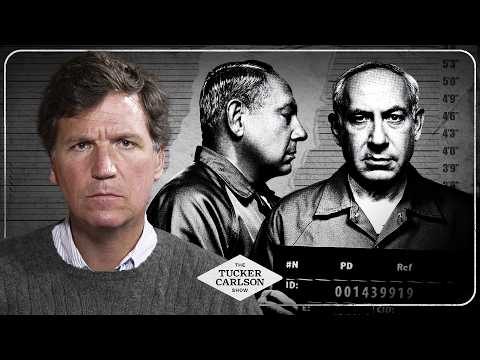
In this solo episode, Tucker Carlson interviews Cliffe Knechtle, a campus evangelist who has spent four and a half decades preaching and debating faith on college campuses across America. Knechtle brings a unique perspective on the spiritual state of younger generations and the shifting landscape of religious belief in the United States.
The conversation opens with a discussion of moral relativism's dominance in modern culture. Knechtle observes that many young Americans lack a foundation in absolute truth, leading to confusion about fundamental moral questions. This philosophical vacuum, he argues, has contributed to the emotional fragility of Gen Z, with rising rates of depression, anxiety, and suicide among young people who lack a coherent moral framework.
Knechtle addresses contemporary controversies head-on, including transgender ideology, which he views as destructive to young people confused about their identities. He discusses the differences between Protestant, Catholic, and Orthodox Christianity, while also tackling difficult theological questions about the violent passages in the Old Testament and the problem of free will as exemplified by figures like Judas and Pharaoh.
A central theme throughout the episode is the tension between secularism and Christianity in modern America. Knechtle argues that secularists often hate Christianity not because of its truth claims but because it constrains human autonomy and challenges relativistic worldviews. He explores why Christianity, despite facing increasing persecution globally and domestically, continues to grow, particularly among young people seeking answers to existential questions.
The discussion covers sensitive topics including abortion, gay marriage, divorce, and the nature of human goodness. Knechtle presents Christian perspectives on these issues while acknowledging the complexity and genuine disagreement among believers. He emphasizes the danger of self-righteousness and the importance of approaching these conversations with humility and love.
Knechtle also discusses demonic forces and their influence in the world, connecting spiritual warfare to visible cultural trends. He examines whether people are inherently good or sinful, drawing on biblical teaching to argue for human depravity and the need for spiritual transformation. The conversation includes practical advice on self-discipline, overcoming addiction, and maintaining hope during challenging times.
Throughout the episode, Knechtle emphasizes that despite cultural decline and increasing hostility toward Christianity, genuine revival is occurring. More people are converting to Christianity, particularly in younger demographics, as they reject the emptiness of secular materialism and seek transcendent meaning. He expresses measured optimism about America's future, grounded not in political solutions but in the enduring power of the gospel to transform lives and communities.