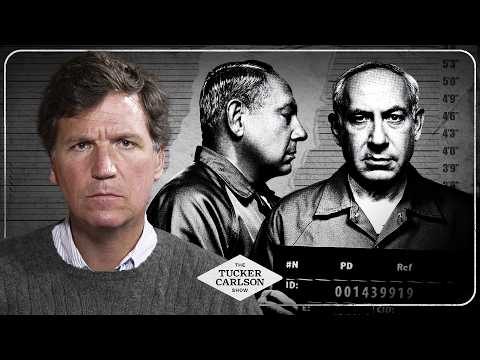
Christopher Caldwell presents a provocative examination of how immigration has reshaped Western societies over the past several decades. He argues that demographic and cultural change in white, Christian, English-speaking countries represents a measurable transformation comparable to war in its scope and consequences. Rather than a conspiracy theory, Caldwell frames it as documented reality that has been largely unexamined in mainstream discourse.
The episode explores how post-World War II guilt, particularly in Germany, created a psychological framework that made Western nations vulnerable to unrestricted immigration policies. Caldwell contends that the Civil Rights Act, originally intended as a domestic justice measure, was subtly reinterpreted and weaponized to undermine national sovereignty and restrict democratic decision-making about immigration. European countries, especially Germany, were deliberately structured with political systems designed to prevent nationalist movements from challenging these policies, effectively removing immigration from democratic control.
A significant portion of the discussion focuses on the economic dimensions of immigration. Caldwell argues that immigration has been systematically used as a tool to suppress middle-class wages and wealth while enriching elites. By flooding labor markets with workers willing to accept lower compensation, immigration has destroyed economic security for working families and concentrated wealth among corporate owners and the wealthy. This economic devastation of the middle class has had profound political consequences, driving radicalization across the political spectrum.
The conversation examines how institutions like USAID actively pushed foreign countries to export their populations to Western nations, treating immigration as a geopolitical strategy rather than a humanitarian response to natural migration patterns. Caldwell suggests these policies were implemented without genuine democratic consent from Western populations, who were not given meaningful opportunities to vote on whether their countries should undergo such dramatic demographic transformation.
The episode also addresses how political correctness has evolved into a tool for silencing dissent about immigration consequences. By making certain discussions taboo, mainstream institutions have radicalized ordinary people who feel their concerns are dismissed or pathologized. This dynamic has contributed to the rise of figures like Donald Trump and other nationalist politicians worldwide.
Caldwell warns that without addressing the economic devastation wrought by immigration policies and the political alienation they have created, Western countries face potential revolutionary upheaval. He suggests that hope lies in honest reckoning with how these policies have failed working people and in reconsidering whether current immigration trajectories serve national interests or merely elite preferences.