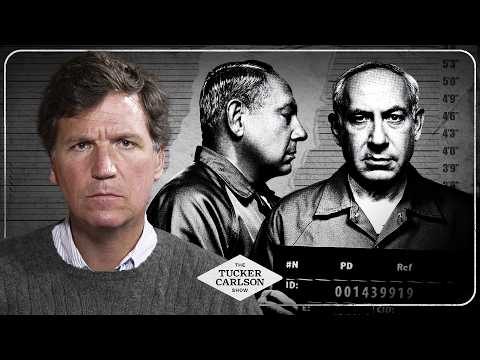
In this episode, Cenk Uygur articulates a fundamental concern shared by many Americans: the desire for a government that prioritizes the nation's interests and the wellbeing of its citizens. Rather than framing this as a partisan position, he presents it as a basic expectation from elected leaders. The conversation begins with Israel and Gaza, where Uygur critiques media coverage he characterizes as gaslighting the American public about the reality on the ground. He argues that mainstream media outlets have failed to adequately represent the humanitarian crisis in Gaza and instead protect narratives aligned with Israeli government positions.
A significant portion of the episode focuses on the Israeli lobby's influence over U.S. foreign policy. Uygur examines how financial support and military aid to Israel flow from American taxpayers, questioning whether Americans have genuinely consented to this arrangement through informed debate. He discusses the U.S.-Israel Memorandum and argues that politicians may not be acting in their constituents' interests when they prioritize foreign policy considerations over domestic needs.
Uygur emphasizes the real consequences faced by those who speak critically about Israeli government actions. He contends that public figures and journalists risk their careers and reputations when they challenge prevailing narratives, creating a chilling effect on free speech and honest discourse. This connects to his broader concern about the death of free speech in America, where certain topics become politically toxic regardless of their merit or importance.
The episode also ventures into historical territory, discussing declassified or controversial information surrounding the JFK assassination, 9/11, and the Epstein case. While these topics remain contested, Uygur uses them to illustrate his argument about media manipulation, government accountability, and the public's right to information.
A recurring theme throughout the conversation is how identity politics and tribalism prevent Americans from recognizing their shared interests. Uygur argues that partisan divisions distract from systemic issues affecting all citizens regardless of political affiliation. He connects this to broader economic problems, including discussion of the 2008 financial crisis and military interventions like the Venezuela invasion, positioning these as examples of government prioritizing certain interests over those of ordinary Americans.
Toward the end, Uygur addresses the IDF's military tactics and what he characterizes as terrorism, linking this back to the foundational question about whether American citizens can expect their government to act in their interest. His central argument remains that true sovereignty requires citizens demanding accountability and refusing tribal loyalty when evidence contradicts official narratives.