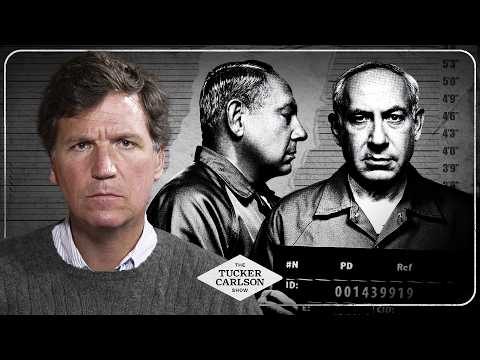
This episode features human rights lawyer Bob Amsterdam discussing his findings regarding alleged government persecution of the Orthodox Church in Ukraine under President Zelensky. Amsterdam claims to have documented systematic abuses against religious institutions and argues that these violations have been overlooked by Western media and policymakers.
According to Amsterdam, USAID has allegedly been involved in what he characterizes as a fake church operation designed to undermine the traditional Orthodox Church's influence in Ukraine. He presents this as part of a broader strategy to weaken religious institutions in the country. Amsterdam further alleges that former Secretary of State Mike Pompeo played a role in advancing policies that have contributed to religious persecution in Ukraine.
The discussion raises questions about why the United States has maintained strong diplomatic and military support for the Zelensky government despite these alleged human rights violations. Amsterdam suggests that geopolitical interests and corporate connections may explain American political leaders' reluctance to publicly criticize Ukraine's government or investigate claims of religious persecution.
Amsterdam contends that corporate media outlets have deliberately avoided covering these stories, either due to political bias or coordination with government interests. He argues that major news organizations have failed in their responsibility to report on potential violations of religious freedom in a country that receives substantial American aid and support.
The episode explores connections between these allegations and what Amsterdam characterizes as a broader pattern of governmental attempts to marginalize religious institutions. He suggests that these issues extend beyond Ukraine and reflect larger conflicts between religious institutions and secular governmental authority globally.
Amsterdam also addresses questions about President Zelensky's fitness for office and raises concerns about the influence of various advisors and government officials on Ukrainian policy. The discussion touches on how American foreign policy decisions regarding Ukraine may have inadvertently enabled or supported policies that undermine religious freedom.
Throughout the conversation, Amsterdam emphasizes the importance of holding governments accountable for human rights violations regardless of geopolitical alignments. He argues that religious freedom should be a non-negotiable principle in foreign policy evaluations, and that American support for any government should be conditional on respect for fundamental human rights including freedom of religion.